
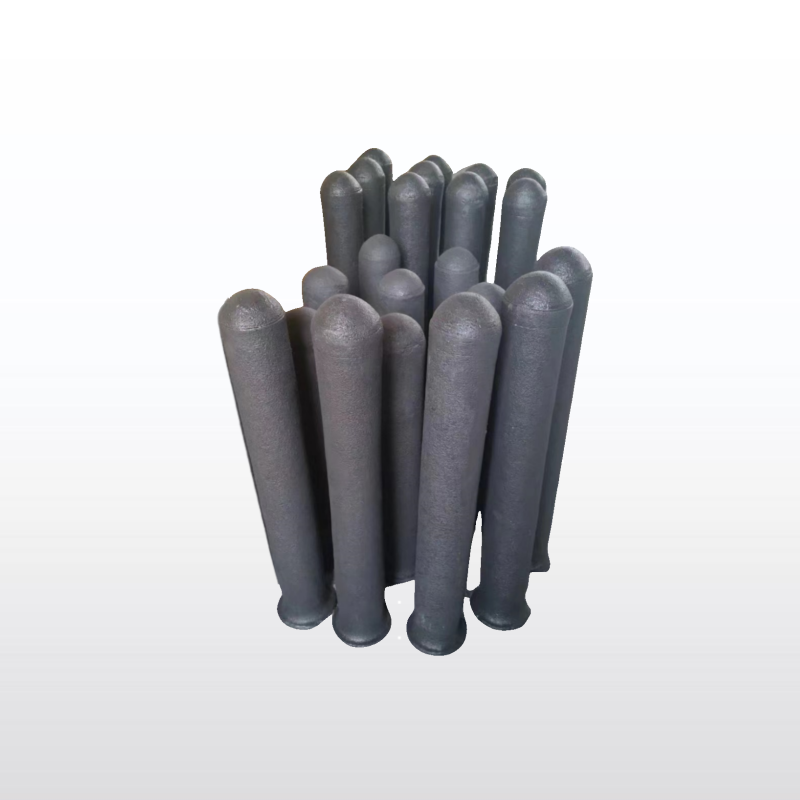
The Silicon Carbide Tube is a component made from silicon carbide (SiC), a special type of ceramic with excellent resistance to heat, abrasion, and corrosion. When compared to other ceramics or metals, silicon carbide tubes, especially in scenes of extreme temperature and chemical exposure, have built a solid reputation for themselves within industrial and laboratory environments.
Key Properties and Advantages
Silicon carbide tubes excel due to their unique combination of features:
Thermal Stability: It can resist heat ranging from 1600°C to more than that, allowing its use in applications that require high amounts of heat.
Chemical Resistance: It preserves integrity in hostile surroundings; it is acid, alkali, and chemical resistant, providing durability even in difficult environment.
Mechanical Strength: Resists cracking and deformation, even under mechanical stress or during rapid thermal changes.
Thermal Conductivity: Quickly and evenly distributes heat, enhancing performance in heating or heat-exchange processes.
Silicon carbide tubes offer superior thermal shock resistance and mechanical strength than alumina and other ceramic tubes used in furnaces, resulting in lower frequencies of replacement and maintenance costs.
Common Applications of Silicon Carbide Tubes
Industrial Furnaces and Kilns: Often utilized as heating elements, radiant tubes, or protective tubes for thermocouples where the temperature is frequently subject to cycling.
Chemical Processing: Preferred material for dog pipes, reaction-shaped spaces, and heat treaters in settings where stability of chemicals is extremely important.
Metallurgy and Glass Manufacturing: Makes certain that the heating during steel, aluminum, and glass making processes is done efficiently and in a controlled manner.
Semiconductor Manufacturing: Necessary for instances where ultra-high purity, robustness, and resistance to contamination are necessary.
Research and Laboratory Use: Utilized in analytical instruments or as container tubes when thermal and chemical resistance is needed.
Choosing the Right Silicon Carbide Tube
The decision on which is the right Silicon Carbide Tube depends on the specific requirements of the application:
Operating Environment: Check the peak temperatures and chemical exposure. SiC is best where both are high.
Tube Dimensions and Design: Specify diameter, wall thickness, and length—custom options are often available.
Thermal Cycling: For processes with rapid heating and cooling, confirm the tube’s resistance to thermal shock.
Compatibility: Verify compatibility and operation with current equipment; collaborate with vendors for tailored solutions or alternative items, e.g., when moving from alumina furnace tubes or some other ceramic tubes.
Collaborating with reputed vendors providing quality certification and technical assistance will allow you to take appropriate decisions in relation to your venture.
Maintenance and Handling Tips
To extend the service life of silicon carbide tubes:
Be cautious when laying down the pipes, ensuring nothing impacts them so that there are no fractures. Apply supports that allow for thermal expansion and prevent any strain from getting too high. Use suitable cleaning routines for your case; keep inspecting the pipes to look for any possible damages and replace it if needed to avoid interruptions in your process.
The risk of accidental damage or environmental degradation can be further reduced by proper storage in dry places and safe distance from mechanical hazards.
Frequently Asked Questions
What makes silicon carbide tubes superior to alumina or other ceramics?
They surpass other options in terms of thermal conductivity, mechanical strength, thermal shock resistance, and corrosion resistance, which makes them suitable for more challenging conditions.
Where are silicon carbide tubes used?
Common areas where industrial furnace systems are used consist of industries like metal and glass processing, semiconductor manufacturing, chemical plants and research laboratories.
How do I choose the right SiC tube?
Analyze the operational constraints including temperature, exposure to chemicals, and the required dimensions, and refer to your supplier about the specifications needed.
Are SiC tubes compatible with existing equipment?
The majority of suppliers provide a variety of dimensions and customization options so that the alumina tubes or any other ceramic tubes they provide meet existing needs.
Silicon carbide tubes provide exceptional performance in both corrosive and high-temperature settings, thus making them an ideal option for those seeking a durable solution that requires minimal maintenance. This is because silicon carbide tubes outperform conventional options such as alumina furnace tubes by providing a longer service life as well as more reliable operation. The silicon carbide tube would be a worthwhile investment in any application that requires high performance while also being safe to use.
Post time: Oct-29-2026