
A melting furnace crucible is fundamental to successful operations in the foundry and metalworking industries. The perfect crucible for melting the metal desired and casting the product can ensure high levels of efficiency and safety. The guide on melting furnace crucibles provides readers with straightforward and practical tips on how to choose the right crucible for the furnace and ensure reliable performance from it.
Key Factors When Buying a Melting Furnace Crucible
Consider these points before selecting a metal melting furnace crucible:
Furnace Type: Gas firing, induction, or electric resistance furnaces? All have their own specific needs for crucible materials. For example, induction furnace crucibles require high thermal conductivity and electrical resistance.
Metal Type: Compatibly relies on your intended metal—whether aluminum, copper, gold, silver, iron, etc. The crucibles should be able to overcome contamination or interaction.
Capacity & Size: A crucible must fit in the furnace, giving enough clearance and ensuring uniform heating. The operating volume of the crucible is typically 70-85% of its total volume. You should refer to the furnace’s manual for specifications.
Material Choice: Material dictates performance and lifespan. See the next section for comparisons.
Crucible Material Comparison: Graphite, Clay-Graphite, and Ceramic
It is very important to select the correct material when making your melting furnace crucible. Below is a brief comparison:
Graphite: Thermal conductivity is really good, heat up and cool down very quickly, suitable for non ferrous materials (Aluminium, copper and zinc). Cleaning is easy but starts oxidising at high temperatures in the air.
Clay-Graphite: Graphite is mixed with clay binders to improve strength and make it less prone to oxidation while also making it compatible with brass, bronze, and cast iron. It has decent durability, especially compared to pure graphite.
Ceramic: Excellent chemical resistance and resistance to oxidation; able to be used for precious metals and lab applications. Ceramic is comparatively fragile but maintains its quality during processes of melting involving violence.
Matching Crucible Capacity to Your Furnace
The crucible should be of a size that accommodates your furnace well. A crucible that is too small will overflow and create wastage while one that is too big will consume unnecessary energy. Choosing the right size ensures even heat-flow and safe removal.
- The working volume should be 70-85% of max capacity.
- Induction furnaces benefit from clay-graphite or silicon carbide crucibles.
- Consult your furnace manufacturer for best results.
Types of Melting Furnace Crucibles
Your melting task determines your crucible choice:
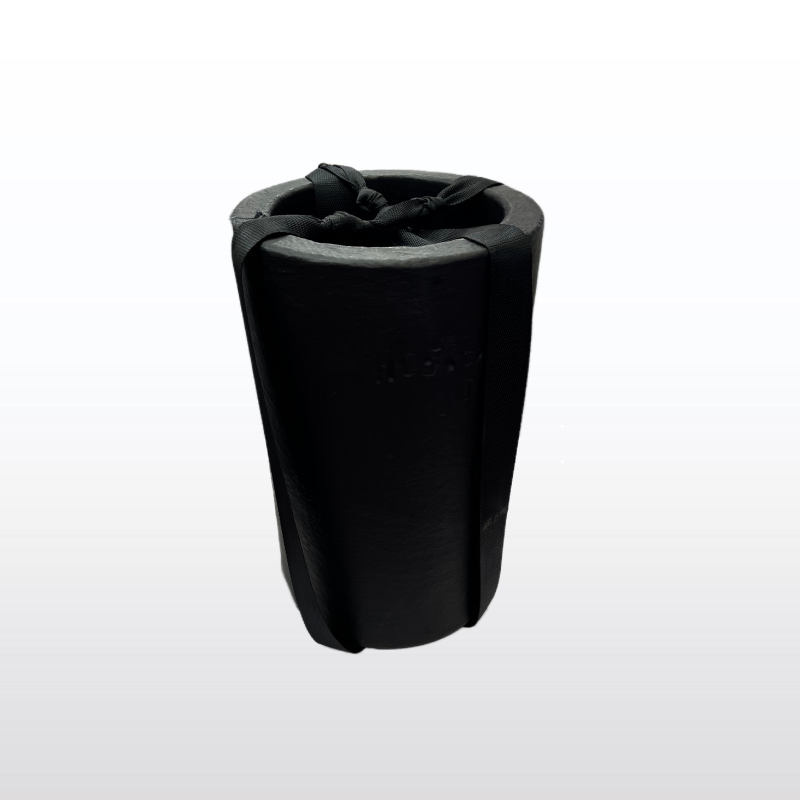
Cylindrical Crucibles: Versatile, used for general foundry melting.
Induction Furnace Crucibles: Constructed for inductive application, utilizing substances like clay-graphite and silicon carbide that can withstand electromagnetics.
Ceramic Crucibles: Used in labs and for high-purity melting of precious metals.
Crucible Care and Signs of Wear
Proper care extends crucible life, reduces replacement costs, and ensures safety.
Preheating: Slowly preheat new crucibles before first use to drive out moisture and prevent thermal shock.
Cleaning: Remove residue after each melt. Avoid scraping; use soft brushes.
Storage: Keep crucibles dry, upright, and protected from impact.
Wear Signs: Change the crucible if you see cracks, chips, oxidization, stubborn slag, or evidence of metal leaking. Regularly check for thermal fatigue and structural integrity.
Frequently Asked Questions (FAQ)
Can a graphite crucible be used in an induction furnace?
Generally no. Graphite is electrically conductive and suited to fuel-fired or resistance furnaces; induction furnaces typically use clay-graphite or silicon carbide crucibles.
How long should a new crucible be preheated before first use?
Heat gradually over a period (often 1–2 hours) at low temperature to drive out moisture, then ramp up slowly to avoid thermal shock.
Is crucible capacity based on molten metal or total volume?
Rated capacity refers to total volume; usable working volume is only 70–85%, so choose a size above your actual melt weight.
Can one crucible be reused for different metals?
Possible but risky—residual contamination and cross-reaction can affect purity. Use dedicated crucibles for different metal types where possible.
Expert Tips for Crucible Selection
Always use crucible materials compatible with your melting furnace and the metal being melted. Confirm compatibility with your supplier and request documentation on material specifications. Choose a reputable brand and consider ergonomics if pouring frequently.
Selecting the right melting furnace crucible is a key step toward safe and efficient metal melting. Based on your furnace type, metals to be melted and crucible material features, you can set up your system properly for dependable performance and good results. Proper care and regular inspection will ensure the crucible’s long-term value and safety.
Post time: Oct-20-2026