
A crucible for furnace is an essential container used for melting, alloying, and processing materials at very high temperatures. These tools are indispensable in foundries, metallurgy, laboratories, and artistic crafts, facilitating the transformation of metals, glass, and ceramics. The right crucible ensures consistent results, prevents contamination, and optimizes furnace efficiency. This guide explores the main types, materials, uses, and selection tips for furnace crucibles, helping you find the most suitable option for your needs.
Types of Crucibles for Furnace
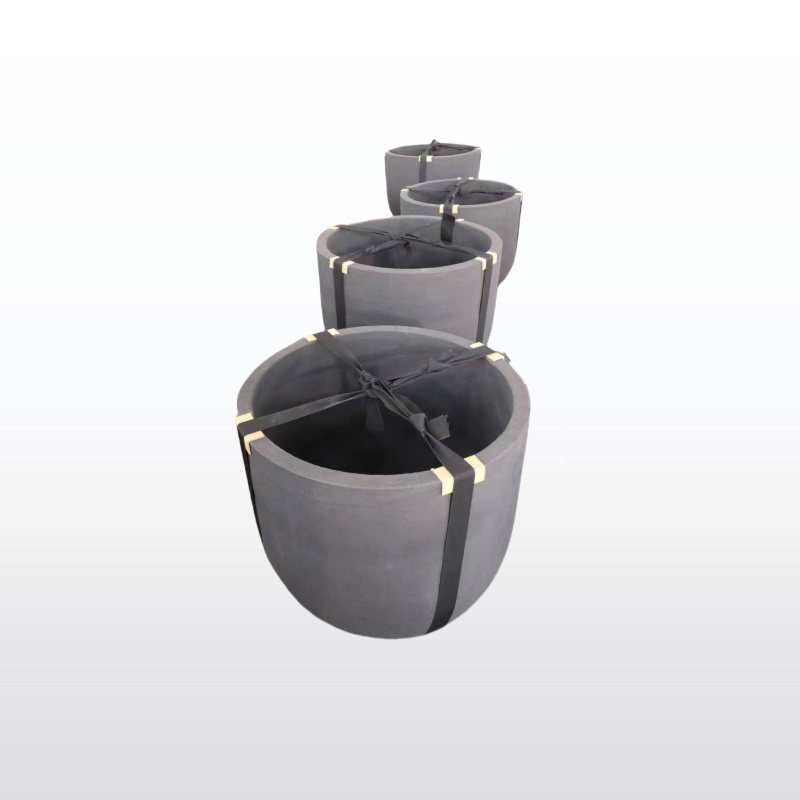
There are several types of crucibles, each suited to particular processes and furnace setups. Graphite crucible for furnace is often chosen for melting precious or base metals due to its excellent thermal conductivity and durability. Ceramic crucible for furnace is preferred for chemical resistance and effective insulation, making it useful in glassmaking and laboratories. Metal crucibles, while less common, are selected for specific chemical compatibilities and strength in niche applications. Specialty crucibles, such as those made from quartz or silicon carbide, serve advanced industries where purity and extreme heat tolerance are required.
Materials Used in Furnace Crucibles
The material of a crucible dictates its thermal stability, chemical resistance, and overall longevity. Graphite crucibles stand out for their conductivity, light weight, and ability to resist mechanical and thermal shock, especially during rapid heating and cooling. Ceramic crucibles, including those made from alumina or magnesia, are ideal where purity is critical or aggressive fluxes are used. Metal options like platinum or stainless steel appear in settings requiring specific inertness or structural rigidity. Advanced choices, such as silicon carbide or fused quartz, offer reliable performance under more demanding conditions.
Common Applications of Furnace Crucibles
Crucibles for furnace are used in metal refining, alloy making, glass production, and chemical synthesis. In foundries and jewelry making, graphite crucibles help melt metals with minimal contamination. Ceramic crucibles are key in glassmaking, materials research, and preparing specialized alloys, while quartz and platinum types are chosen for high-purity lab procedures. Additionally, artists use various crucibles in metal and glass art, where ease of pouring and consistent results matter.
How to Choose the Right Crucible for Your Furnace
Selecting the best crucible involves several considerations. Start with the furnace type: induction furnaces work well with graphite crucibles, while resistance and muffle furnaces tend toward ceramics. Ensure the crucible’s material can withstand your process temperatures and resist chemical reactions with your melt. Scale is also important—laboratories may need small high-purity crucibles, while industrial users require durable options built for repeated use. Don’t overlook the importance of handling; pairing crucibles with the right crucible tongs for furnace ensures safe operation. Always consider maintenance and expected lifespan to avoid unnecessary process interruptions.
Crucible Tongs for Furnace Operations
Safe handling of crucibles in furnaces depends on proper tools. Crucible tongs for furnace environments are designed for high temperatures and secure grip, reducing the risk of accidents during transport or metal pouring. Choosing tongs that fit your crucible’s size is crucial for safety and efficiency in both industrial and laboratory settings.
Maintenance and Lifespan
The longevity of a crucible for furnace depends on use frequency, exposure to chemicals, and handling. Regular inspection for wear, cracks, or contamination helps prevent failures. Gentle cleaning and gradual heating or cooling extend the life of graphite and ceramic crucibles. Replace crucibles that show signs of significant wear to maintain operational safety and material quality.
Frequently Asked Questions
What factors should I consider when choosing a crucible for my furnace?
Assess furnace type, working temperature, chemical compatibility, production scale, and handling needs before choosing a crucible.
Which materials are common in furnace crucibles?
Graphite, ceramics (like alumina), some metals (such as platinum), and advanced materials like fused quartz or silicon carbide.
How long do furnace crucibles last?
Lifespan varies. Graphite and ceramic crucibles last through multiple cycles if properly cared for, while aggressive processes may reduce their lifetime.
Are specialized tongs necessary?
Yes; high-quality tongs designed for furnace crucibles are essential for safe, efficient movement and pouring of hot materials.
In summary, choosing the right crucible for furnace work is a balance of material compatibility, temperature requirements, and application needs. Proper selection and maintenance can significantly improve efficiency, safety, and final product quality, ensuring you get the best performance from your furnace operations.
Post time: Oct-06-2026