
Whether you’re processing metal, firing ceramics, or conducting laboratory tests, the right crucible is essential. Silicon carbide (SiC) crucibles are some of the toughest and highest heat-resistant types of crucibles available—but only as long as you pick the right kind and take good care of it.
The purpose of this guide is to explain what traditional crucibles are through comparison with other materials and their advantages. Moreover, this guide explains where SiC crucibles are often applied and how these crucibles can last for hundreds of cycles.
What Is a SiC Crucible?
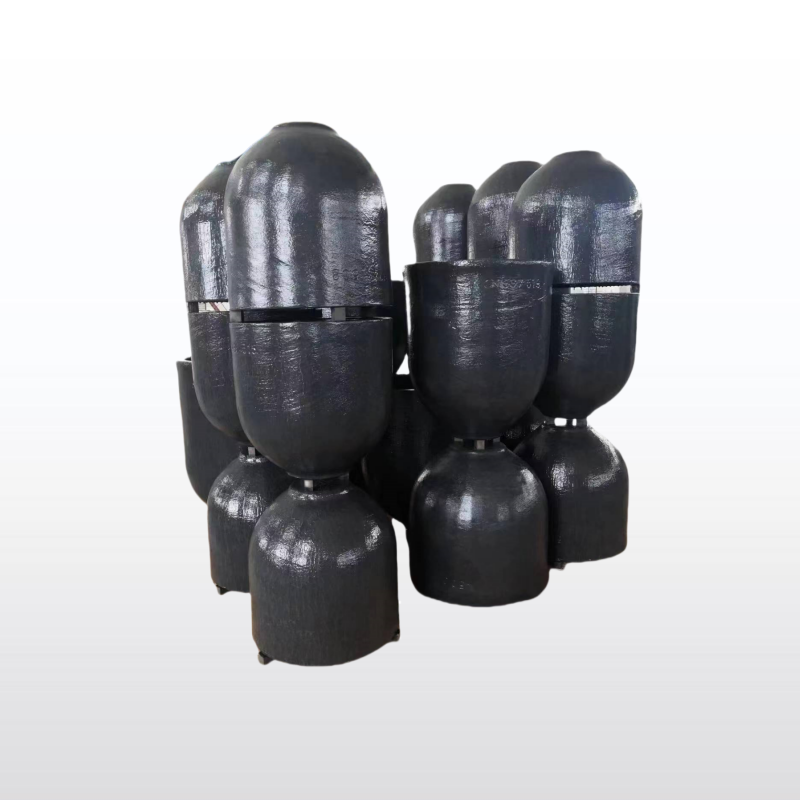
A crucible composed of silicon carbide (SiC) is a refractory vessel that is manufactured mainly from a man-made substance of silicon and carbon. SiC presents properties, such as exceptional hardness (Mohs 9.2-9.5), thermal conductivity, and durability against heat and chemical erosion.
The SiC crucibles can endure the damage of rapid heating and cooling cycles, which prevents cracking unlike the traditional clay or graphite crucibles. These crucibles are widely used in industries ranging from foundries to laboratories, semiconductor fabrication, and advanced ceramics manufacturing.
SiC crucibles come in several bonding types:
- Clay-bonded SiC: Affordable, good for general-purpose melting.
- Nitride-bonded SiC (SNBSC): Higher strength and oxidation resistance, ideal for steel and aluminum industries.
- Reaction-bonded SiC (RBSiC): Excellent for complex shapes and high-purity applications.
- Recrystallized SiC: Premium grade with maximum thermal shock resistance, used in electronics and aerospace.
Key Properties and Advantages of SiC Crucibles
Why choose SiC over graphite, alumina, or steel? Here’s what sets it apart:
- Extreme Thermal Shock Resistance: Silicon carbide possesses a very minimal thermal expansion coefficient (about 4.5×10⁻⁶/°C) and elevated thermal conductivity (40-270 W/m·K). Meaning, it can withstand temperature variations in excess of 500°C without any damage, unlike alumina or clay.
- High-Temperature Strength: At a temperature of 1400°C, SiC is able to keep more than 80% of its strength even at room temperature. Under high loads during continuous production in kilns, it will not soften or deform.
- Chemical Inertness: Silicon carbide can withstand molten aluminum, copper, zinc, most acids, alkalis, and slag attacks. Additionally, the SiC layer can create a protective SiO₂ layer when the temperature is raised to 1200 °C and higher.
- Superior Thermal Conductivity: Heat is conducted from 10 to 14 times quicker than in clay crucibles, enabling the melt cycle time to be reduced by up to 30% and improving temperature consistency.
- Long Service Life: An adequately cared SiC crucible can live up to 2–3 times longer than alumina types and 5–10 times longer than old clay crucibles.
- Low Contamination Risk: High-purity SiC (≥99.5%) provides almost no iron and any other metallic impurities which are very important for semiconductor and lithium battery as well as precision casting applications.
Common Uses of SiC Crucibles
SiC crucibles are versatile across industries:
- Non-Ferrous Metal Melting: The most frequently used melts are aluminum, copper, zinc, and their respective alloys. The wetting-resistant surface of SiC keeps metal from sticking to it thus making the pouring process cleaner and lessening the amount of dross.
- Semiconductor & Crystal Growth: Employed in the single-crystal growth of SiC through sublimation technologies that require both purity and proper control of gas permeability.
- Advanced Ceramics Firing: Silicon carbide settlers or crucibles are used to sinter MLCCs, alumina substrates, and zirconia parts for consistent heating and no contamination.
- Lithium Battery Material Sintering: Crucibles suitable for cathode materials such as LFP and NMC should withstand corrosive vapor of lithium and structurewise endure temperature level of 800-1000 °C.
- Microwave Melting: SiC is capable of absorbing microwave energy in a manner that is well suited for the application of self-heating crucibles in microwave furnaces, which are primarily used for metal and glass vitrification processes.
- Laboratory & R&D: Small SiC crucibles (like 50–100 mL) are used for melting, ashing and thermal analysis with high purity at temperatures up to 1650°C.
SiC Crucible Maintenance and Care Tips
Even the toughest crucible needs proper handling. Follow these best practices to maximize lifespan:
Preheat GraduallyIt is essential to heat new or cold SiC crucibles gradually. They should be heated from the room temperature to 200–300°C during a 2–3 hour period to allow the moisture to escape and to relieve the internal stress. If this step is ignored, it is one of the main reasons behind the early cracking of crucibles.
- Avoid Thermal Shock During Cooling: Always avoid putting a hot crucible on an icy metal surface or throwing it into water. Allow it to cool off by itself either within a furnace or atop an insulated surface.
- Don’t Overfill: At least a 4 cm space should be left at the top of each container. When melted metal is treated it expands, and because of surface tension it may overflow and dirt the surface.
- Use Proper Tools: Always utilize crucible tongs that fit the shape of the crucible. Never allow the crucible to fall, roll, or hit something else since SiC is hard but brittle.
- Clean Gently: The easiest way to get rid of slag or residue is to use a soft brush or a non-abrasive scraper. It is essential to avoid strong acids unless recommended by the manufacturer. Porous SiC absorbs chemicals and may get damaged upon reheating.
- Store Dry: Unused crucibles should be kept in a dry and well-ventilated place so that moisture does not enter through micro-stress fractures leading to a steam explosion when heated.
- Rotate Regularly: While using continuous-use furnaces, the rotation of the crucible must be carried out at regular intervals in order to guarantee the uniformity of wear and heat.
- Inspect Before Each Use: Look for hairline fissures, glazing, or surface deterioration. Even insignificant damage can become worse with exposure to heat. Replace if structural integrity is at risk.
Final Thoughts
A SiC crucible is an advanced purchase that brings significant rewards in terms of durability, energy efficiency, and melting quality. Be it small foundry, ceramic studio, or high-tech material laboratory, proper choice of SiC type, and maintenance techniques can ensure that the crucible can endure hundreds or thousands of cycles.
If you have any doubts, best to reach out to the supplier of your crucibles and ask for recommendations related to your particular kind of material. Not all SiC crucibles are manufactured the same way, and it is just as vital to ensure that the bonding is well-suited to the requisite application.
Post time: Sep-19-2026