
What is an Aluminum Rotary Furnace?
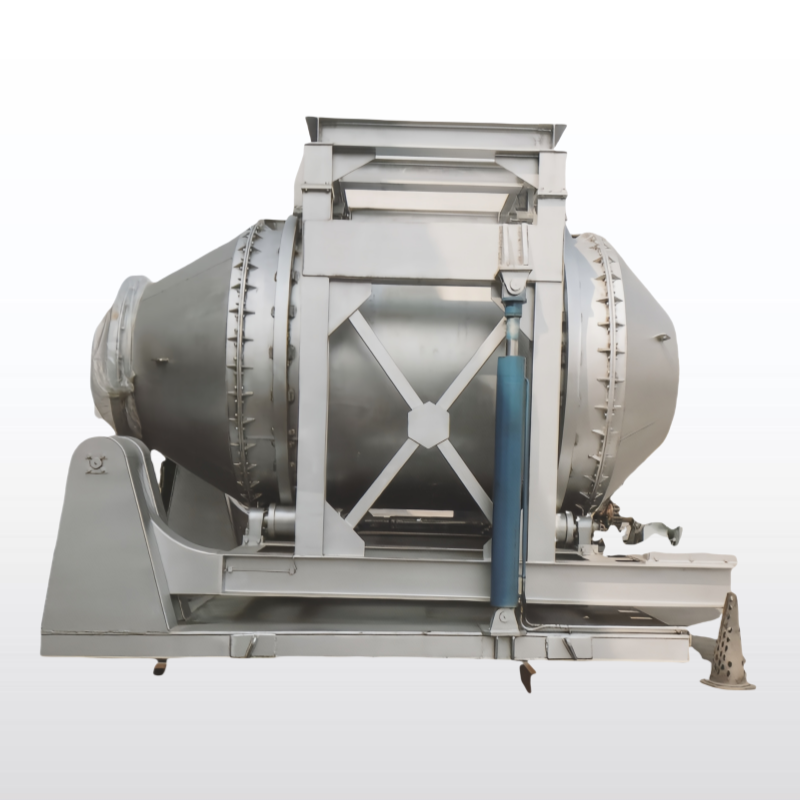
Aluminum Rotary Furnace is a specialized equipment designed for melting and recycling aluminum scrap efficiently. Its chamber rotates on its axis, providing thorough mixing of materials and enabling effective separation of contaminants via salt flux. The rotary furnace is instrumental in aluminum industries for dealing with challenging scrap types and maximizing metal recovery, essential for automotive, packaging, and construction sectors.
Design and Working Principles
The core design features a cylindrical shell lined with refractory material, a robust drive for rotation, and a burner for heat. Scrap aluminum and salt flux (mainly sodium and potassium chloride) are loaded into the furnace. As burners heat the chamber and it rotates, the flux covers the scrap, preventing oxidation and facilitating impurity removal. This results in consistent heat and better metal separation compared to traditional static furnaces.
Batch Cycle Overview: Charging, Melting, Tapping, Slag Removal
A standard batch includes four essential steps:
Charging: Aluminum scrap and salt flux are introduced. Care is taken to balance the flux and scrap ratios for best results.
Melting: The chamber rotates and heats, causing aluminum to liquefy while flux captures impurities.
Tapping: The furnace is tilted and molten aluminum removed, ensuring a clean pour with minimal slag carryover.
Slag Removal: Remaining slag, a mix of salts and contaminants, is efficiently extracted, maintaining furnace performance and yield.
Why Rotation Matters and Salt Flux Benefits
Rotation is crucial for homogeneous mixing, even heat distribution, and effective impurity removal. Without movement, static furnaces allow stratification and inefficient melting. The salt flux forms a protective coating around aluminum, drastically reducing melt loss and increasing metal yield—often recovering up to 90% from contaminated scraps. The process is energy-efficient and supports a sustainable production cycle.
Applications: Recycling, Foundries, Die Casting
Aluminum rotary furnaces serve multiple segments:
Recycling Facilities: They reclaim aluminum from mixed and contaminated scrap, including cans, automotive parts, and dross, supporting a circular economy and reducing demand for primary aluminum.
Foundries: Used to produce custom alloys from recycled or raw materials, supporting industries like automotive, aerospace, and construction.
Die Casting Plants: The furnace provides consistent quality of molten metal necessary for defect-free, high-precision casting.
FAQ: Key Questions About Aluminum Rotary Furnaces
What salt-to-scrap ratio should I use?
Typically 2–5% salt flux by weight, depending on scrap cleanliness.
How often does the refractory lining need replacing?
Commonly every 6–18 months, depending on temperature, flux and batch frequency.
Can it process coated or painted scrap?
Yes, but coatings create off-gas and dross, requiring emissions control and more flux.
Rotary vs induction furnace for aluminum recycling?
Rotary handles dirtier scrap with higher yield; induction suits cleaner scrap with better melt control.
Choosing and Optimizing Rotary Furnace Performance
When selecting an aluminum rotary furnace, consider batch capacity, scrap types, control integration, environmental compliance and cost of ownership. Modern furnaces offer automated temperature and rotation controls, energy-efficient burners and emissions controls to meet sustainability targets. Optimized operation delivers higher yields, lower costs and better environmental outcomes.
The aluminum rotary furnace is essential for efficient, high-yield aluminum recycling and melting. Its rotational mechanism and salt flux chemistry reliably convert contaminated scrap into valuable metal, making it a preferred choice for recycling centers, foundries and die casting facilities. Choosing the right furnace and optimizing operations supports sustainable, profitable production and drives progress in the aluminum industry.
Post time: Oct-22-2026