
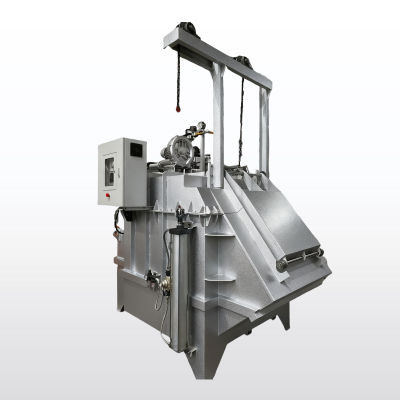
Aluminum melting furnace some methods are necessary for converting solid aluminum to liquid aluminum, which is an important step in production, recycling, and many industrial processes. By selecting the right type of furnace, one can enhance productivity, ensure quality of goods, and minimize production costs. This document explains types of furnaces for aluminum, capacity aspects, types of fuel, as well as several significant criteria for buying a furnace.
Understanding Aluminum Melting Furnaces
Aluminum melting furnaces make it possible to melt aluminum, regardless of whether it is made from primary ingots, leftover aluminum or recycled material. In addition, the process should be energy-efficient and very precise. Choosing the right furnace is a matter of knowing what concrete production needs you have, how much purity is required, and how large is the amount meant to be processed.
Common Types of Aluminum Melting Furnaces
Furnaces vary in design and are suited for different tasks:
Crucible Furnace: Crucible furnaces are ideal for small and medium workshops. They use a strong container, usually made of graphite or silicon carbide, to melt aluminum. They work well for small batches and flexible processes, making them common in artisan and laboratory settings.
Reverberatory Furnace: This type of melting is ideal for high-volume industrial melting applications, utilizing heat received via the roof to melt aluminum, and providing the ability to handle large amounts of material in batches.
Rotary Furnace: With specially built systems for utilized aluminum, mixers mix different substances in order to optimize recovery from recycled consumer products, which confirms their popularity in recycling endeavors.
Induction Furnace: Utilizes electromagnetic induction to provide accurate handling and high quality melting. Induction kilns are used in cases production of items where impurities must be barred.
The choice amongst these is influenced by the need for a small-sized aluminum melting unit for custom casting or an industrial furnace for bulk production.
Capacity Selection
Capacity can be expressed either in terms of batches or in terms of hourly output. Sometimes, a workshop requires somewhere in the range of 5 to 500 kg per batch, while on some occasions the amount of materials processed by large manufacturing facilities can be counted in tons. Therefore, when determining your capacity, think of your average output, expected growth, and the physical limitations of your production site, as both oversized and undersized capacity can cause problems.
Engaging with suppliers regarding their throughput levels and maintenance cycles will facilitate the identification of a furnace that will fulfill needs not only for the present but also for the future.
Fuel Options: Gas vs Electric
Fuel choice influences cost, performance, and emissions.
Gas-fired furnaces Provide quick heating and good price in areas that have reasonable cost of gas. They can be used in batch processes and larger companies.
Electric furnaces Outperform in the field of environmental conformity, as well as in energy efficiency. Thanks to precise temperature control and reduced emissions, they are perfect for small-scale production and high purity production operations.
The industry is witnessing a rise of alternative systems, even though most customers base their decision on local fuel prices and environmental standards. Choosing the suitable system should take into account energy availability, regulations to follow, and required melting speed.
Choosing the Right Furnace
Examine what production will be needed—lot size, flow rate, alloy mixes, and development prospects. Evaluate facility capacity including room and power source.
Effectiveness and ease of use are crucial factors. Assess the recovery rate for aluminum scrap and consider ease of operation, maintenance needs, and safety measures. Adhering to local environmental legislation and regulations, in particular for gas furnaces, is imperative.
The total purchase cost includes installation, power, repairs, and service. Compare supplier reputation, warranty and services to ensure you receive value for your money.
Application Scenarios
Industrial aluminum melting furnaces play an essential role in automotive, aerospace, and recycling sectors, giving high-capacity, automatic, and uniform melting results. Miniature aluminum melting furnaces can be used in specific casting, research laboratories, and artist studios.
According to the requirements for scrap processing, rotary furnaces facilitate recycling businesses to increase recycling and contamination control. Select the right furnace to suit the needs of your operation for maximum efficiency.
Maintenance and Best Practices
Regular cleaning, checking, and temperature observation are key elements for the furnace to last longer and operate safely. Operators should receive detailed training to minimize the chances of accidents and improve output. Frequent maintenance will keep the furnace working well while eliminating losses caused by its stoppages.
Frequently Asked Questions
Which furnace is best for small-scale casting?
A crucible furnace is usually the best choice for small batches, workshops, and laboratories.
Can one furnace melt different aluminum alloys?
Yes, but you should clean it between alloys to avoid cross-contamination.
How long does it take to melt aluminum?
It depends on furnace type, capacity, and fuel. Gas heats faster; electric offers more precise control.
Is a gas or electric furnace cheaper to run?
Gas is often cheaper where gas prices are low; electric costs more but saves on emissions and maintenance.
It is crucial to have an aluminum melting furnace in an aluminum processing business. You can learn about different furnaces, their specifications, advantages, disadvantages of their fuels, and other important things to make the right decision and buy the right furnace which would ensure the success of your production or recycling processes.
Post time: Oct-15-2026