
Furnaces that use a tilting mechanism are crucial components of foundries and metalworking; they are especially useful for the precise pouring of molten metals. They are suitable for melting several types of metals such as aluminum and copper. While these apparatuses provide efficiency as far as the casting procedure is concerned, safety challenges are present as well.
What Makes Tilting Furnaces Unique
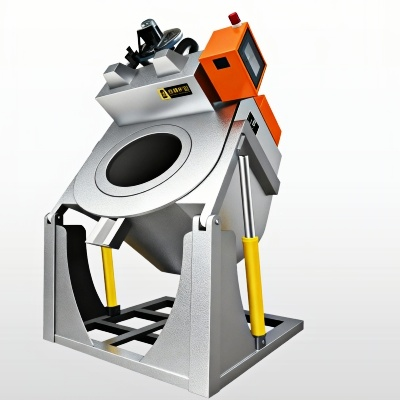
A tilt metal melting furnace is created in such a way that it can rotate to allow for pouring of molten metals into molds or other containers without the use of hands for ladling purposes. This minimizes the safety risks and increases the accuracy of the casting process. Tilting usually is done with the help of hydraulic systems. It is the ideal type of furnace to be used in the foundries for the use of aluminum alloys, non-ferrous industry as well as versatility of operating. However, because of the movable parts and the handling of molten metal in the process safety is crucial in this situation.
Main Safety Risks in Tilting Furnace Operation
The job of operating tilting furnaces comes with certain dangers. One of the most serious is molten metal that can splash or drip. Molten metal, which is usually above 1200C, can escape from the furnace because of sudden tilting, mistakes in the pouring process, or problems of the equipment itself. This may lead to heavy burning, fire, or a halt of work. Mechanical or hydraulic failures are another important risk: a malfunction can result in uncontrolled tilting or collapse. However, there are also electrical malfunctions and worn or damaged refractory linings. Understanding these points helps when building safety measures.
Molten Metal Splash and Spill Prevention
Molten metal spills typically result from overfilled chambers or incorrect handling of the furnace angle. Even small amounts of moisture in the mold can trigger violent reactions with hot metal. Safe operation starts with careful loading and gradual tilting. Molds should be dry and preheated. Maintenance of refractory linings and hydraulic mechanisms helps avoid sudden failures that can lead to splashes or spills. Regular inspections detect early signs of equipment wear, further reducing incident rates.
Hydraulic and Tilting Mechanism Monitoring
The hydraulic system is essential for safe tilting. The hydraulic actuators should work effectively and without leaks. It is important that the system is checked and maintained regularly. The emergency stop buttons must be accessible, and the operators need to be trained in troubled situations. Reliable hydraulics and back-up control systems must be used to decrease operational risks.
PPE and Training Necessities
Using Personal Protective Equipment (PPE) is an absolute must for any operator using tilting furnaces. All personnel must be equipped with fireproof suits, face shields and heat resistant gloves and shoes. Equally important is training. Employees must be trained on how to use the approach properly, respond in the case of an emergency, and recognize hazards. Regular safety drills and refresher training can help to reinforce safety skills and produce fast and correct responses to emergencies.
Establishing Safe Procedures
Safety practices should be implemented even before starting the furnace. The shift must start by checking for leaks, cracks, or electrical malfunctions in the furnace. The place where the furnace is operated should be suitably organized in a way that only authorized personnel enter the area. Monitor all pouring parameters like pouring speed, tilt angle, and volume of the poured material. Emergency stoppers should be operational and easy to reach. In case of an emergency, the furnace will cool down and the area will be checked.
Facility Layout and Environmental Controls
In order to ensure proper safety measures in a tilting furnace’s zone, the safety of the zone must be guaranteed first and foremost. Enough space should be left to keep people away from each other and barricades must be used to keep unwanted people out of the zone. Good anti-slipping heat-resistant floor, good ventilation system of fumes removes, where necessary the emergency showers and fire extinguishers are the major point in the design of the tilting furnace. Good lighting and proper safety signs make all workers in the area pay the attention to their work.
Regulatory Compliance and Technological Integration
The standards associated with tilting furnace safety are set by authorities like OSHA, NFPA, etc. These regulations call for the establishment of design mechanisms, proper PPE, emergency protocols, and accurate documentation. Some of the latest furnace technologies may incorporate modern sensors, as well as automatic control mechanisms.
Frequently Asked Questions
1. What causes molten metal splash in tilting furnaces?
The occurrence of splash can be due to either overfilling of the furnace, the abrupt tilt of the furnace, or presence of water in the molds. However, the splash can be avoided through proper filling of furnace, gradual tilting of the furnace, and using dried molds.
2. How do hydraulic system failures impact safety?
Hydraulic failures can cause unintended motion, resulting in spills of liquid metal. Proper maintenance and examination can mitigate this hazard.
3. Which PPE is required for furnace operators?
To protect against burns and fumes, operators must utilize heat-resistant clothing, gloves, masks, and safety boots.
4. What actions should be taken during an emergency stop?
The workers need to stop the furnace, clear out the whole area, and implement the current emergency protocols. Proper training will guarantee speedy and safe action.
5. How often should furnaces be maintained?
Regular inspection and upkeep should take place regularly, while advanced examinations can be performed weekly or monthly.
Use of tilting furnaces brings a lot of benefits to metalworking; however, safety problems should be addressed carefully. These machines expose people to the danger of splattering of molten metal, hydraulic systems failure, and wrong management of the furnaces. Only a responsible approach to furnaces operation, usage of effective personal protection equipment, and good training of personnel can help monitor the safety risks. Additionally, the layout of the facility and compliance with regulations also play a significant role in this issue. Continuous improvement and technological progress contribute to safety in the operation.
Post time: Nov-05-2026