
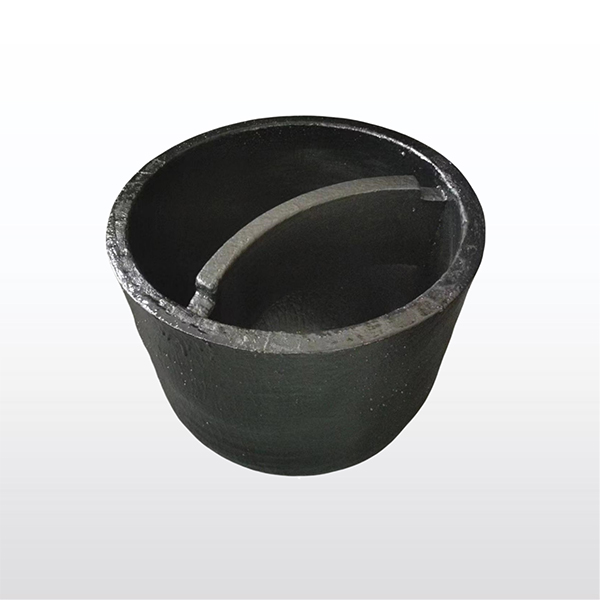
Selecting the right Die Casting Crucible is crucial for efficient, high-quality metal casting operations. Two of the most common materials used for casting crucibles are graphite and silicon carbide—each with their distinctive properties. This guide explores the main differences, advantages, and applications of these crucible materials, providing practical insights to help buyers and engineers make informed decisions.
The Role of Die Casting Crucibles
In die casting and metalworking, the crucible is the container in which metals like aluminum, zinc, and copper alloys are melted before being poured into molds. The crucible must withstand intense temperatures, rapid thermal cycling, and possible chemical reactions, making its material choice a significant factor impacting process efficiency, casting quality, and production costs.
Graphite Crucibles: Key Properties and Benefits
Graphite crucibles are widely used for non-ferrous metal casting—especially as Aluminum Casting Crucible options. Their high thermal conductivity ensures rapid and even heating, making them efficient for melting processes. Graphite is also naturally resistant to chemical attack from most non-ferrous metals and shows excellent resistance to thermal shock.
Advantages of graphite crucibles include:
- Fast and uniform heat distribution for efficient melting
- Good resistance to cracking from heating and cooling cycles
- Low risk of contaminating the melt
- Light weight, making handling easier
However, graphite can oxidize over time in oxygen-rich environments and is not suitable for melting ferrous metals or exposure to highly abrasive slags.
Silicon Carbide Crucibles: Strengths and Applications
Silicon carbide crucibles are ideal for demanding casting environments and can handle not only non-ferrous but also some ferrous alloys. Known for their exceptional hardness and thermal shock resistance, silicon carbide crucibles tolerate direct flame heating and exposure to aggressive slags and fluxes.
Key advantages include:
- High mechanical strength at elevated temperatures
- Outstanding resistance to corrosion and oxidation
- Durability in continuous, high-intensity melting operations
- Ability to function in both electric and gas-fired furnaces
These properties make silicon carbide crucibles the top choice for foundries focused on long service life and process reliability, especially for high-purity melts.
Graphite vs. Silicon Carbide Crucibles: Main Differences
When selecting a Metal Casting Crucible, it’s important to understand what sets graphite and silicon carbide apart. Graphite crucibles excel in providing quick heat conduction and are more cost-effective for routine non-ferrous casting jobs. Silicon carbide crucibles, on the other hand, offer higher mechanical strength and longer lifespan when used in more aggressive melt environments.
In summary:
- Graphite: High thermal conductivity, lower cost, ideal for non-ferrous metals, lighter
- Silicon carbide: Enhanced durability and oxidation resistance, suitable for wider alloy range, withstands harsh furnace conditions
Which Crucible Material Is Best for Die Casting?
The ideal crucible material depends on your casting environment, metal types, and budget. For frequent aluminum melts in controlled settings, graphite is often preferred for its efficiency and lower cost. For rigorous use in gas-fired furnaces, or when melting alloys that may corrode or abrade crucibles, silicon carbide provides a better long-term value despite higher upfront cost.
If minimal contamination, reduced downtime, and extended service life are priorities, silicon carbide is typically the better investment. For standard operations focusing on speed and cost, graphite crucibles maintain their popularity.
FAQs About Die Casting Crucibles
Q: What are the main differences between graphite and silicon carbide crucibles?
A: Graphite offers excellent heat distribution and is lightweight, ideal for non-ferrous metals. Silicon carbide is tougher, resists chemical attack, and lasts longer under harsh conditions.
Q: Which crucible is best for aluminum die casting?
A: Both materials are used. Graphite is common for fast, efficient aluminum melting. Use silicon carbide for aggressive melts needing more durability.
Q: How can I extend crucible life?
A: Handle with care, warm up slowly, clean regularly, and avoid sudden temperature shifts. Always follow the manufacturer’s maintenance guidelines.
Q: Are there any new trends in crucible materials?
A: Advances include hybrid crucibles with improved coatings and purer materials. These options further enhance resistance to oxidation, contamination, and mechanical stress.
Choosing the right die casting crucible enhances metal quality, reduces operational costs, and supports smoother foundry operations. Consult with reliable suppliers and match your crucible selection to your furnace type, alloy requirements, and production volumes for best results.
In summary, understanding the contrasts and strengths of graphite and silicon carbide crucibles allows you to improve your die casting performance with confidence. Weigh your process needs carefully to make the selection that fits best for your foundry or casting operation.
Post time: Sep-22-2026