
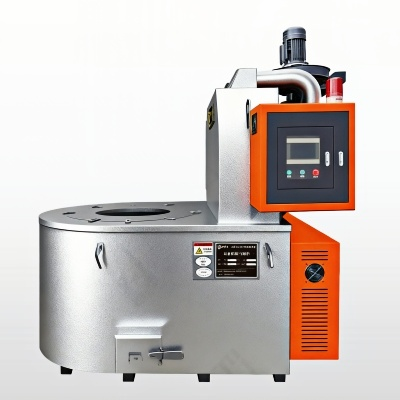
The Gas Fired Aluminum Melting Furnace is a vital tool for manufacturing and foundry firms that require efficient aluminum melting solutions. This guide will discuss its important specifications, selection criteria, production capabilities, efficiency ratings, and other relevant aspects, which will help users in making the best decisions for their operations.
What Is a Gas Fired Aluminium Melting Furnace?
A furnace that melts aluminum gas uses either natural gas or LPG burners for aluminum melting. The furnace chamber, which is insulated by refractory, increases the aluminum scrap’s temperature quickly to liquefy it. This technology is mostly applied in sectors where there is a production of high-quality and large quantities of molten aluminum such as packaging, recycling, automotive, and aerospace industries.
Main Specifications and Features
Before investing in a gas aluminum melting furnace, consider the following:
Melting Capacity: Based on your daily operation and peak requirement, choose a equipment with production capacity between 100 kg to several tons per hour.
Burner Efficiency: Burners with high efficiency provide quick and even heating and lesser gas usage. Contemporary devices usually include burners that are either recuperative or regenerative in nature.
Insulation: Good refractory lining minimizes heat loss, boosts energy efficiency, and extends furnace life.
Temperature Control: With the help of electronic controllers and thermocouples, even temperature has been maintained for quality output of the production.
Automation: Automated charging, slag removal, and remote monitoring makes operations simpler and safer.
Safety: Modern models incorporate advanced safety mechanisms, including interlock systems, gas detection features, and compliance certifications, which are critical for safe operations.
Benefits of Gas Fired Aluminium Melting Furnace
Choosing a gas fired metal melting furnace delivers several advantages:
Efficiency: Quick heating and even melting lead to reduced time spent and energy consumed, thereby lowering cost of operation
Flexibility: Suitable for melting scrap, dross, or ingots, and offers easy adaptation to various alloys.
Reliable Quality: Advanced combustion systems and steady temperature regulation improve the metallurgical quality of products and cut down on defects.
Environmental Performance: Modern designs comply with high emission criteria using low-NOx burners and exhauster systems.
Types and Applications
The various types of furnaces in the market include reverberatory, crucible, tilting, and tower furnaces. All of them meet specific needs: reverberatory furnaces for large loads of materials, the crucible type for small batches and alloys, the tilting type for easy pouring, and the tower type that operates continuously. You should carefully assess requirements of volume, melting speed, and your preferences regarding work flow while choosing the furnace.
Selecting the Right Gas Fired Aluminium Melting Furnace
When choosing a furnace:
Define Capacity: Match the furnace size to your highest anticipated demand to avoid bottlenecks.
Review Efficiency: Prioritize energy-saving features like advanced burner technology and proper insulation.
Check Automation and Safety: Automated systems reduce manual tasks, while safety interlocks ensure worker safety. Check certifications for compliance in your area.
Budget and Support: Assess not only upfront costs but also long-term energy savings and maintenance access.
Common Questions: Gas Fired Aluminium Melting Furnace FAQ
What is a Gas Fired Aluminium Melting Furnace?
Using gas as a source of energy, it is an industrial furnace. It is capable of melting aluminum and can be used for casting, recycling, and alloying.
How Should I Compare Specifications?
Concentrate on capacity, types of burners, fuel use, insulation, automation, and safety certifications.
Is It Suitable for Scrap Aluminum?
Indeed, the majority of models manage different types of aluminum material, including scrap and dross, without compromising on melt quality.
Are Modern Gas Furnaces Environmentally Friendly?
The latest units come equipped with low-emission burners and exhaust filtration systems, making them suitable to operate in areas with stringent air quality regulations.
How Do I Maintain a Gas Aluminium Furnace?
Regular checking of burners, refractories, and safety systems is crucial. Be sure to follow the instructions of the manufacturer regarding maintenance and operator safety.
Key Trends and Innovations
Recent innovative advances consist of IoT-related diagnostics, better refractory linings, modular designs to achieve flexible capacity, and employing hybrid fuel systems to minimize energy expenditure. Another priority is being focused on environmental performance and automation.
It is vital to have a comprehensive understanding of the specifications, technical features and the functioning demands of a Gas Fired Aluminium Melting Furnace for enhancing the performance of the aluminum melting process and producing consistent and cost-effective amounts of aluminum. Selecting an appropriate furnace involves striking a balance between capacity, efficiency, automatic operation, and environment compatibility to maximize the effectiveness of the production process at the facility and to suit future developments. To get professional recommendations or to develop your individual configuration, it is advisable to approach reliable suppliers and manufacturers.
Post time: Sep-24-2026