
When it comes to metal melting, particularly aluminum, efficiency is crucial. An aluminum rotary furnace provides a new method to improve aluminum melting processes and reduce energy usage. This article will cover the operation of aluminum rotary furnaces, their benefits and applications, as well as the problems encountered so buyers can make a wise choice.
What Is an Aluminum Rotary Furnace and How Does It Operate?
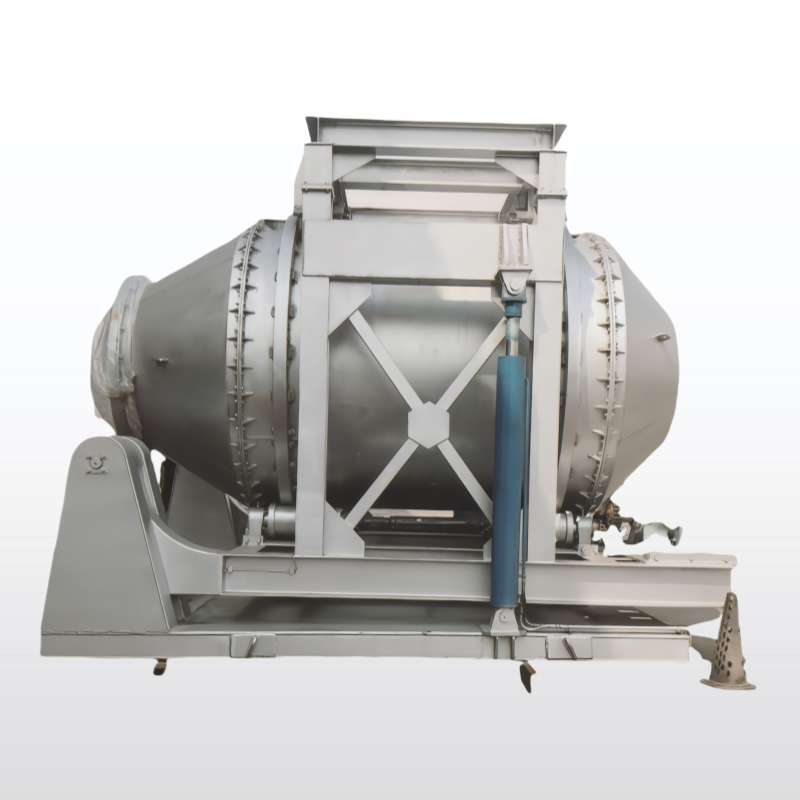
The Aluminum Rotary Furnace is a special type of furnace that is developed for the purpose of effective melting of aluminum scrap and alloys. The furnace works by rotating the charge inside a cylinder-shaped chamber and applying convection and conduction for even distribution of heat. Rotating helps speed up the melting time and produce better quality aluminum as melted aluminum continuously mixes and becomes homogeneous.
Key Advantages of High Efficiency Aluminum Rotary Furnaces
Investing in a high-efficiency aluminum rotary furnace offers numerous advantages:
1. Energy Efficiency: Conventional melting techniques typically waste heat. Thanks to its rotational design, the new technology uses energy much more efficiently, so the running costs are acceptable.
2. Reduced Melting Times: The constant movement helps with faster melting speeds that permit raising production volumes without sacrificing quality.
3. Improved Metal Quality: The mixing movement reduces impurities and creates uniform mixtures, yielding aluminum of a higher purity level.
4. Versatility: These furnaces are capable of dealing with different grades of aluminum and various types of scrap metal, thus being suitable for different foundry applications.
Aluminum Rotary Furnace Applications in Foundry Operations
Aluminum rotary kilns are extensively employed because of their effectiveness and dependability:
- Die Casting: Providing molten aluminum for die casting processes.
- Recycling of aluminum is a crucial aspect of the recycling industry where scrap aluminum is turned back into metal.
- Operations in casting, play a vital role in foundries by providing parts and components needed for various fields.
Common Issues and Troubleshooting for Rotary Furnaces
Although rotary furnace for aluminum melting is a reliable machine, there are certain issues that might arise during the operation. Here are some common issues and their resolution techniques:
- Irregular Refining: Make sure that the furnace has enough charge and there are no obstructions diverting the rotation.
- Increase In Energy Consumption: Conducting regular maintenance checks on insulating and refractory materials will help to reduce any losses of heat.
- Quality Control: Continuous examining and studying of molten aluminum can help in the recognition of impurities at an early stage thereby taking remedial actions before casting.
The benefits and functionality of the aluminum rotary furnace must be understood by businesses in order to maximize their melting processes and thereby gain improved efficiency and product quality. High efficiency rotary furnaces can play an important role in the success of any recycling or foundry operation.
To sum up, high performance rotary furnaces provide a major breakthrough in the field of smelting technology. The design of rotary furnaces has a number of advantages including energy saving, shorter melting time, and improved quality of metal which makes them necessary for modern foundries. Anyone looking for a solution in smelting of aluminum will find that a rotary furnace is a good alternative.
Post time: Aug-06-2026