
Selecting the correct crucible to melt aluminum requires emphasis on safety and quality in addition to efficiency. Although aluminum can be melted and cast into a final shape relatively easily due to its low melting temperature (which is approximately 660°C, or 1220°F), melting aluminum requires suitable melting equipment. One significant component of the melting process is the aluminum melting crucible (the receptacle in which the aluminum will be melted). This article will help guide you toward selecting the proper melting crucible for your aluminum melting process, and will cover considerations when selecting your crucible as well as frequently asked questions regarding the process.
Understanding Crucible Materials for Aluminum Melting
Crucibles are heat-resistant vessels that hold materials at extreme heat levels for melting. Typical materials used to make crucibles include metals, glass, ceramic, and a combination of these materials. However, some crucibles may work fine for mixing or melting down substances, while others may not be compatible with specific items. There are many ways to choose the right crucible(s) suitable for your melting applications; here are the most common crucible materials used to melt aluminum:
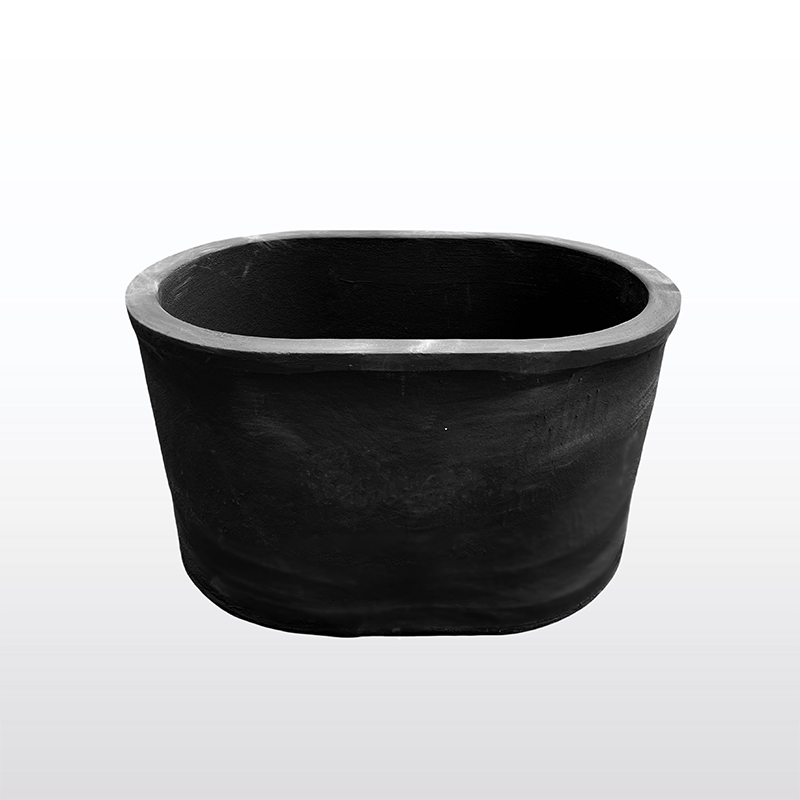
Graphite Crucibles
Graphite crucibles are commonly used to melt aluminum and are extremely popular because of their great qualities. First, graphite can withstand an extremely high-temperature environment and thermal shock; therefore, these crucibles can be used in a high-temperature application. The second reason graphite crucibles are great for melting aluminum is the fact that they have excellent thermal conductivity, allowing the aluminum to melt uniformly and efficiently.
Graphite crucibles have a unique feature – they are not reactive with aluminum when melted; therefore, the melted aluminum will remain pure. However, graphite crucibles will experience oxidation if used in an open-air environment or at a high temperature, so care must be taken to use them appropriately. Controlled furnaces provide the most effective environment for these crucibles because air exposure to the crucible is kept to a minimum.
Ceramic Crucibles
Aluminum can be melted within ceramic crucibles. The two types of ceramic crucible material generally used are alumina and silica. Ceramic crucibles have high-temperature resistance and corrosion resistance. Ceramic materials are also less likely to oxidize when compared to graphite; therefore, they tend to be preferred for applications using gas-fired furnaces and for open-air applications.
Therefore, ceramic crucibles do not have the same ability to conduct heat as graphite, which causes a delay in melting time. Ceramic crucibles are also a lot more delicate than graphite crucibles; therefore, greater care must be taken in their handling, as well as with respect to any type of thermal shock through sudden and rapid temperature fluctuations.
Which is Better: Ceramic or Graphite Crucibles?
Deciding whether to use graphite crucibles or ceramic ones to melt aluminum will depend on your requirements:
- If you’re looking for rapid solidifications along with controlled melting conditions, graphite crucibles are especially useful because of their high thermal conductivity capabilities.
- Ceramic crucibles are likely the preferred option for open air melting applications where you are looking for less oxidation and a great deal of durability.
Ultimately, the appropriate ‘best’ crucible for melting aluminum is determined by what type of environment you’re working in and what type of requirements are required for the specific melt job. Knowing the differences between both types of crucibles (ceramic vs. graphite) will help you determine which crucibles have advantages they can use to help them make a good decision.
Can You Melt Aluminum in a Graphite Crucible?
Certainly, you are able to melt aluminum in a graphite crucible without any issues. Graphite is a preferred material for both professional and amateur use because it has good thermal conductivity, and because it can withstand very high temperatures. One important consideration when using a graphite crucible is that there will be some oxidation around the edges of the crucible if it is placed in open air. This may reduce the amount of time the crucible can be used as well as introduce a possibility of contamination into the melted aluminum.
An effective way to combat oxidation is to use some type of coverage or protective coating on the graphite crucible while melting. Also, using a flux designed for aluminum can minimize contamination and oxidation during the melting process.
Features to Look for in an Aluminium Melting Crucible
When acquiring a crucible then it is essential to take into account the following aspects of that particular crucible before deciding if it is appropriate for melting (casting) aluminum.
1. Material Compatibility
Examine how well your chosen crucible material withstands the required operating temperatures for melting aluminum. While graphite and ceramic are both acceptable options, you should investigate them based on your melting environment.
2. Size and Capacity
Selecting the appropriate size of crucibles for melting operations is necessary for a smooth melting procedure. Using a small-sized crucible can potentially lead to overflow problems; while using a much larger crucible may cause excessive energy usage because it will take more time to heat up the overall volume.
3. Thermal Shock Resistance
Graphite and similar materials do best in this category. When melting metals that are subject to quick temperature changes, thermal shock resistance must take precedence.
4. Operational Environment
The melting environment influences the choice of crucible, whether it is an aluminium melting crucible furnace in a closed set-up or an open air environment. If there is a high risk of oxidation, use ceramic or coated graphite.
FAQs on Aluminium Melting Crucibles
What is the best crucible for aluminum?
Depending on what you require, there are various types of crucibles used for aluminum. A graphite crucible is great for producing refined, high-efficiency results. However, if you want to melt in an open-air situation and require a lot of resistance to oxidation, a ceramic crucible would be much more appropriate.
Are ceramic or graphite crucibles better?
Every material has advantages and disadvantages. For instance, graphite crucibles provide better heat conduction and quicker melting time than ceramic crucibles; however, ceramic crucibles usually provide greater durability and resistance to oxidation than graphite crucibles.
Can you melt aluminum in a graphite crucible?
Graphite crucibles are a widely used vessel for melting aluminum. They are an ideal choice because they provide excellent thermal conductivity and chemical stability. When using a graphite crucible in an unsealed atmosphere, precautions need to be taken to minimize oxidation.
Conclusion
There are many factors to consider when selecting a melting crucible for aluminum, including budget and application requirements. You have several options available, including graphite and ceramic crucibles, as they offer different advantages, such as thermal conductivity and oxidation resistance. To ensure that you select the best crucible for your needs, familiarize yourself with both materials and their properties, as well as their durability and heat resistance, so that you can make a knowledgeable decision resulting in the best possible outcome for your aluminum melting projects regardless of whether you are using a controlled furnace or working in an outdoor setting. The correct crucible will help to maximize efficiency, decrease safety risks, and maintain a high level of quality.
Post time: Jun-02-2026