
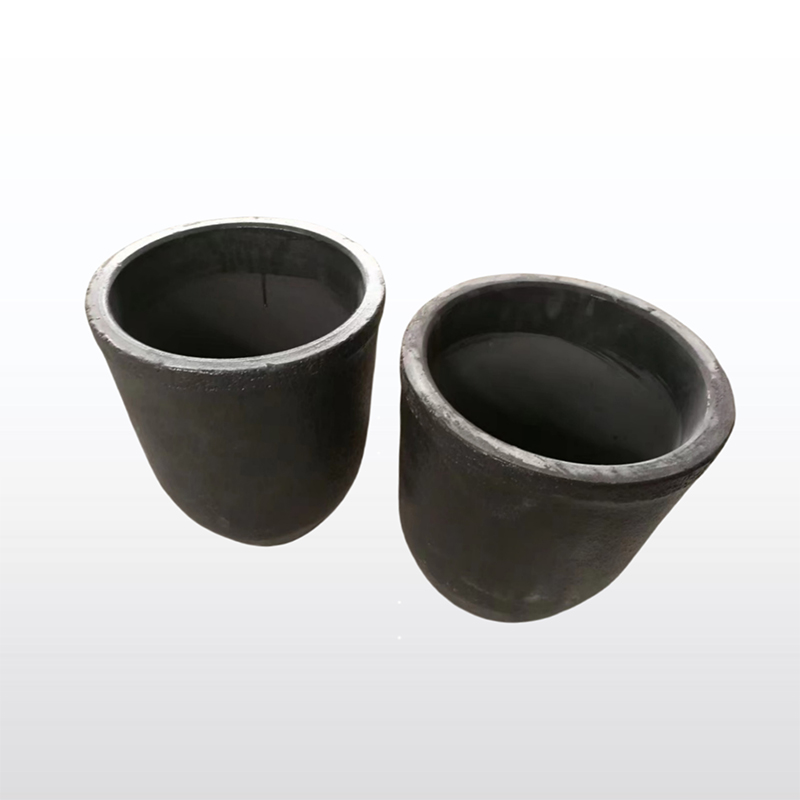
Graphite crucibles are incredibly versatile devices that can outlast extreme temperatures and chemical interactions, making them advantageous for different industries. For example, these tools are crucial ingredients in several processes, including metal casting, jewelry fabrication, and the creation of modern materials. The current article aims to outline the uses and fabrication of such tools, including the features, uses, and tips on the selection of a specific type of tool. Therefore, you can find information if you need a large graphite crucible, a graphite clay crucible, or a graphite silicon carbide crucible.
Key Properties of Graphite Crucibles
Graphite crucibles are distinguished by their features, which make them suitable for high-temperature usage. Some of their main characteristics include the following:
- High Thermal Conductivity: This feature enables effective heat transmission during melting processes, which is a major requirement in various industries like metallurgy.
- Resistance to Chemicals: Graphite crucibles provide great protection against oxidation and corrosion, thus allowing them to be used with numerous materials.
- Mechanical Strength: These crucibles have good mechanical performance in extreme temperature situations, ensuring reliability in operations.
How Are Graphite Crucibles Manufactured?
Graphite crucibles are manufactured through a series of steps that guarantee their quality and performance. First, natural graphite is obtained from mines and then turned into a fine powder. The powder is combined with a binding material followed by shaping using either a molding or extruding method. The last stage of the process is heat treatment of the crucibles for reinforcement.
Common Industrial Applications and Uses
Graphite crucibles have an extensive range of applications in the industry. The typical applications are:
- Metal casting: This method is commonly employed for melting numerous metals such as aluminum, silver, copper, and gold.
- Lab tests: Vital experiments at elevated temperatures in laboratories, particularly in metallurgy and material sciences.
- Jewelry Making: Essential tools for jewelers when melting and pouring precious metals.
- Creating advanced materials: Industries that need high-performance materials will find that graphite crucibles are of great importance.
How to Choose the Right Graphite Crucible
Choosing a suitable graphite crucible is contingent upon numerous aspects, comprising the nature of the melted metal, the temperature conditions, and the amount of material to be melted. The following guidelines may assist you in making your choice:
- Heat Tolerance: Make sure your crucible can endure the temperatures required by your project.
- Material Compatibility: Determine what types of metals or substances will be melted, and select a crucible resistant to chemical interaction with such materials.
- Dimensions: Choose a crucible that fits within your furnace or kiln and caters to the volume requirements of your projects.
To conclude, it is essential for industries that depend on graphite crucibles to understand their properties, manufacturing, and applications. By assessing your unique requirements and choosing the correct type of graphite crucible, you will achieve efficiency and reliability in your operations. Whether it is a small graphite clay crucible or a large crucible used in industry, being well-informed will provide you with a seamless experience.
Post time: Jul-16-2026