
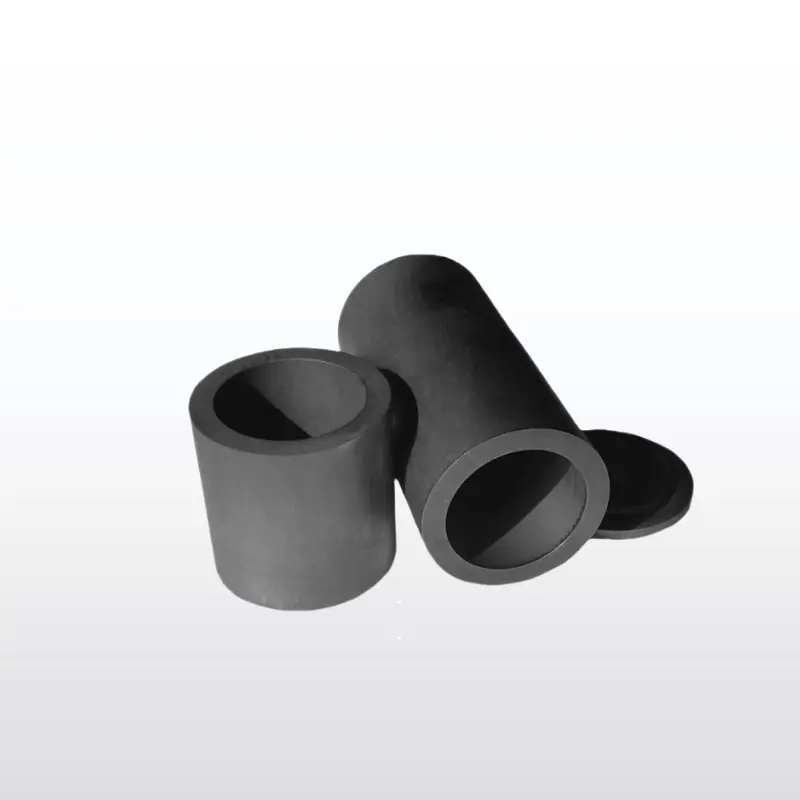
A carbon crucible is a high-temperature container formed from carbon-based materials typically a blend of graphite, carbon black, and binders such as clay or pitch fired to create a dense, thermally conductive vessel. It sits in induction furnaces, gas-fired melting stations, and vacuum chambers, holding molten metals that would eat through most ceramic or metal alternatives. Its defining advantages are simple: it goes hotter, cycles faster, and costs less per melt than many competing materials when the atmosphere is managed correctly.
How the Material Properties Shape Its Use
The core benefit of a carbon crucible is its temperature ceiling. In a protective or reducing atmosphere, it stays structurally stable far past the melting points of gold, silver, copper, and most non-ferrous alloys temperatures that soften alumina or quartz.
Thermal shock resistance comes second. A carbon crucible can go cold into a hot furnace or induction coil without the ramping cycle quartz demands. For batch melting with multiple daily cycles from room to operating temperature, that tolerance prevents the cracking failures that stop production.
Thermal conductivity helps as well. Carbon transfers heat efficiently, so the crucible wall delivers energy into the charge quickly and evenly, shortening melt time and reducing hot spots.
Where a Carbon Crucible Delivers Its Best Work
The users who depend on carbon crucibles are typically melting metals in environments where oxidation can be controlled. Common application areas include:
- Precious metal refining and casting: Gold, silver, and platinum alloys melt cleanly in a carbon crucible without excessive wetting or ceramic contamination. The induction furnace provides an inert atmosphere that shields against oxidation, delivering clean pours free of non-metallic inclusions.
- Non-ferrous alloy preparation: Copper, brass, bronze, and aluminum alloys melt reliably in carbon crucibles for foundry sample labs and small-batch production. The crucible withstands thermal cycling and maintains consistent melt composition without picking up oxygen or hydrogen from degrading ceramic.
- Laboratory sample fusion: Small carbon crucibles hold powdered samples mixed with flux during XRF and ICP fusion. Rapid heating and a clean surface prevent cross-contamination between samples.
- Vacuum melting and controlled-atmosphere processes: In vacuum induction or inert gas furnaces, the absence of oxygen removes carbon’s main failure mode. The crucible becomes a long-life component rather than a short-cycle consumable.
- Jewelry and dental casting: Small carbon crucibles are standard in centrifugal casting machines and bench-top induction melters. Quick heat-up and pour cycles suit production where each melt may be only a few grams.
The Oxidation Limit and How to Work Around It
The biggest operational constraint for a carbon crucible is oxidation. Above roughly 400 degrees Celsius in open air, carbon erodes from the surface inward. Without atmosphere protection, it goes from a reusable precision tool to a short-lived consumable.
The fixes are well-established. Induction furnaces blanket the crucible with argon or nitrogen, or rely on the reducing atmosphere from the graphite susceptor and metal charge. Gas-fired furnaces can run a slightly fuel-rich flame to minimize free oxygen. Where gas blanketing is not an option, protective glazes and oxidation-resistant coatings extend life, though they add cost and need periodic reapplication.
Atmosphere control is the divide between a carbon crucible lasting hundreds of melt cycles and one crumbling in weeks. Facilities that invest in proper gas supply and furnace sealing get the full economic benefit. Those that ignore this constraint turn carbon crucibles into a recurring expense that quartz or oxidation-tolerant ceramic could avoid.
Comparing Carbon to Other Crucible Materials
A quick reference helps frame where a carbon crucible fits relative to common alternatives:
- Carbon versus quartz: Carbon handles higher temperatures and repeated thermal shock. Quartz resists oxidation and allows visual melt monitoring. Quartz suits semiconductor crystal pulling and carbon-sensitive chemistry; carbon suits metal melting in controlled atmospheres.
- Carbon versus clay graphite: The difference is carbon content and density. Higher-carbon crucibles conduct heat better and last longer in reducing environments. Clay graphite costs less but cracks more easily under thermal stress and resists chemical attack less effectively.
- Carbon versus ceramic: Alumina and zirconia tolerate oxidizing conditions but crack under thermal shock that carbon handles easily. Ceramics also tend to cost more per melt cycle for precious metal work due to shorter life under induction heating.
Practical Care That Extends Crucible Life
Good handling habits extend crucible life. Preheat a new carbon crucible gently before its first full-temperature cycle to drive off moisture and prevent steam spalling. Store crucibles in a dry place to stop moisture absorption.
Load carefully to avoid mechanical damage dropping dense metal pieces chips the wall. Charge small scrap first, then add heavier material once a melt pool forms. After each melt, pour completely and remove any remaining metal skull before it solidifies to prevent thermal expansion cracks.
If using protective coatings, inspect before each melt day and touch up worn areas to keep oxygen from the carbon beneath. A small between-shift repair costs far less than replacing a crucible after oxidation undercuts the coating.
Making the Decision for Your Melting Setup
A carbon crucible is not universal. It excels where high temperature, thermal cycling, and controlled atmosphere converge a jeweler melting gold under argon, or a foundry running copper alloys with a reducing flame. In semiconductor crystal pulling, carbon does not replace quartz. It serves as the susceptor supporting the quartz crucible from outside.
The decision comes down to three questions: What is the maximum melt temperature? Can the atmosphere be controlled? What contamination level can the final product tolerate? Answer those, and the role of a carbon crucible becomes clear. For shops burning through ceramic crucibles or fighting thermal shock cracks, switching to carbon with proper atmosphere management often turns a daily headache into a process that runs quietly.
Post time: May-07-2026