
Yes, silver can absolutely be melted in a graphite crucible. In fact, these types of crucibles are some of the ideal tools for melting silver, due to their great properties. In this article, we will explore fully why graphite is the ideal crucible for melting silver, including all of its properties, advantages, applications, and the methods to successfully melt silver in the crucible.
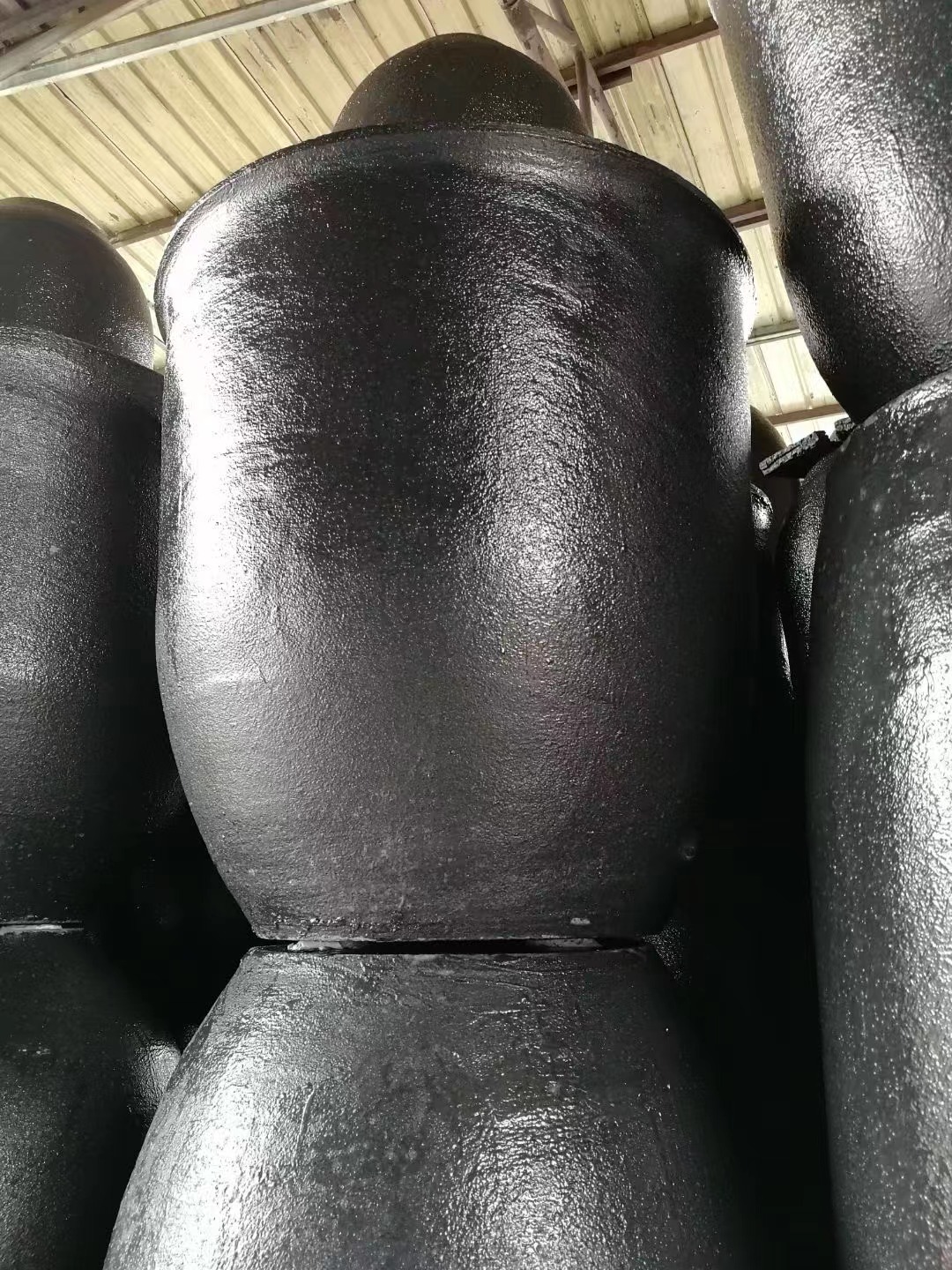
Graphite crucibles are metal-melting containers made primarily of highly heat-resistant carbon (graphite) combined with strengthening additives. Their excellent thermal conductivity, extreme temperature resistance, and chemical stability make them ideal for melting gold, silver, and alloys. They come in various forms, including pure graphite and clay graphite blends for extra durability, with sizes ranging from large industrial vessels to small crucibles for jewelers and hobbyists.
Why Graphite Crucibles Are Perfect for Melting Silver
Now we will take a look at each of these three attributes independently to answer the question of why a graphite crucible is better suited than any other material for melting silver:
- Superior Heat Tolerance: Silver melts at 961.8°C. While ceramic crucibles are an option, they become brittle and impractical above 3000°C. Graphite crucibles, however, withstand the highest temperatures on Earth, making them the ideal, damage-proof vessel for melting silver.
- Heat Distribution: Because of its excellent thermal conductivity, graphite conducts heat evenly throughout the entire surface area of the crucible, ensuring that the metal melts evenly throughout the entire crucible. This is critical for eliminating hot spots and producing consistent melting results.
- Non-Reactivity: Graphite’s chemical stability ensures it does not react with silver or introduce impurities during the melting process. This guarantees that your melted silver will remain high in purity.
- Durability and Longevity: A quality graphite crucible should be able to withstand many melting cycles provided it is properly cared for. This durability and longevity make graphite crucibles a very cost-effective melting option when melting silver on a regular basis.
How to Melt Silver in a Graphite Crucible
If you have decided to use a graphite crucible for melting silver, the following resources provide step-by-step instructions on how to do so safely and efficiently:
- Clean Your Graphite Crucible: Thoroughly clean your crucible before placing any silver into it so that debris from earlier melting cycles does not contaminate your silver.
- Select Your Heat Source: There are three primary heating sources for melting silver with a graphite crucible propane torch, electric furnace, and induction furnace. Larger melting applications will benefit from the additional power of an induction furnace, while a torch will suffice for smaller applications.
- Load the Graphite Crucible: Carefully place the silver pieces into the crucible, being cautious not to overfill the crucible or risk spillage of melted silver.
- Heating Silver: When heating the silver, slowly add heat to prevent thermal shock. After the entire piece of silver melts, you can pour the molten silver into a mold or another desired application.
What Are Graphite Crucibles Used For?
There are a variety of applications for graphite crucibles besides melting silver. Other common uses include:
- Melting Gold: Often used by both jewelers and refiners to melt and pour gold into casting molds.
- Melting Copper/Brass: Very often used in industrial foundry production and for commercial casting.
- Alloy Production: Used for creating alloys through careful control of the melting and mixing of various metals.
- Laboratory Applications: Frequently used in laboratories for high-temperature experiments because they resist strong acids and bases.
How Long Do Graphite Crucibles Last?
Several factors determine how long a graphite crucible lasts: frequency of use, metal type, and maintenance quality. High-quality crucibles tolerate repeated use well, especially when slowly preheated and thoroughly cleaned to avoid thermal shock. Lifespan decreases under extreme heat or corrosive conditions. Ultimately, choosing the right clay graphite or large-format crucible for your needs and caring for it properly ensures the longest service life and the most consistent performance.
Other Crucibles to Consider
While graphite crucibles are used for melting silver, you may also find alternative types of crucibles made of materials such as ceramic, quartz, or silicon carbide. However, each of these materials does not have the conductive and chemically stable characteristics of graphite. Therefore, graphite crucibles are the most preferred crucibles for casting precious metals because they are functional, reliable, and cost-effective.
Conclusion
Graphite crucibles are ideal for melting silver due to their superior heat resistance, durability, chemical inertness, and even heat distribution. Whether using clay graphite or large-capacity options, proper selection and maintenance turn this tool into a long-term investment. With appropriate care, a graphite crucible consistently delivers high-quality results, making it a reliable choice for both artisans and hobbyists.
Post time: Apr-23-2026