
Because copper has excellent thermal and electrical conductivity, producers and manufacturers use it in many different industries to produce everything from electrical components to intricate sculptures. As such, melting copper is a common process across a range of industries. In order to find the best furnace for melting copper, you need to carefully consider four important measures: efficiency, energy consumption, output quality, and cost. In this article, we will provide an overview of some of the best available options and explain how an induction melting furnace is likely your best choice in most circumstances.
Why It Matters When Selecting Your Copper Melting Furnace
When choosing your copper melting furnace, the type of furnace you select will directly impact the quality of your finished copper product, the efficiency with which you operate your copper melting process, and the overall cost of producing your copper products. Some key things to consider when choosing your melting furnace include:
- How energy-efficient is the furnace (also calculated in terms of the amount of energy saved over the long term)?
- How well does the furnace provide accurate temperature control for melting?
- How compatible is the furnace with the copper scrap you want to melt?
- Does the furnace have a negative environmental impact (compliance with environmental regulations)?
If you’re in an industry that values sustainability and increased productivity, you will need to select copper melting equipment that meets today’s standards. This is where the induction melting furnace is far superior to older melting options.
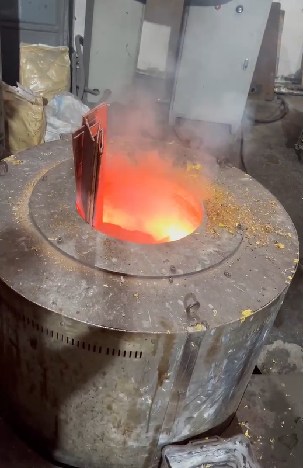
Various Types of Copper Melting Furnaces
1. Induction Melting Furnace
When it comes to deciding on a furnace for melting copper, the induction melting furnace is commonly regarded as the best choice. This is because this type of furnace uses the principle of electromagnetic induction to heat metal and, therefore, provides very precise, efficient melting processes with minimal material loss. The melting of copper scrap as well as pure copper can be achieved efficiently with an induction melting furnace due to its ability to control the temperature at which the metal is melted, giving optimal quality of melted copper.
Key Benefits:
- Cost-effective and highly energy-efficient.
- Controlled temperature provides high-quality molten copper.
- Environmentally friendly, with lower toxicity in fumes released.
- Fast melting times and consistent output.
Uses: Heating metal with very accurate melting ability is important in the production of metal manufacturing plants, jewelry, and in some mass producer industries where melting and creating metal requires maximum accuracy.
2. Resistance Melting Furnace
A resistance melting furnace generates heat using electrical energy to create resistance heat for melting. It is a suitable option for melting metal in lower volume operations but has limited energy efficiency and low temperature control compared to induction furnaces for industrial-scale output.
Limitations of the resistance melting furnace include:
- A longer process to create heat than induction melting furnaces.
- Limited ability to control the temperature.
- Not suitable for producing large amounts of metal quickly.
3. Crucible Furnace
Crucible furnaces are a conventional melting technique, typically using fossil fuel or electrical resistance as the source of heat. While they are more economical initially, they are less energy-efficient than induction melting options and are difficult to regulate for highly precise temperature control.
Ideal for: Small workshops or hobbyists looking for a method to produce copper in a single production batch.
4. Electric Arc Furnace
The electric arc furnace (EAF) has a very high capacity for melting metals and numerous industrial applications on a large scale. While it is effective for melting large quantities of metal, it is typically used in the production of steel, and its use for melting copper may not be cost-effective.
Which Furnace is Best to Produce Copper?
The induction melting furnace is the most widely accepted choice for producing high-quality molten copper, primarily because of its precision heating and environmentally friendly operation. Research and practice from major manufacturers and industries consistently show it to be the best option.
Yes, an induction melting furnace is ideal for melting copper scrap. They are designed to process various types of metal efficiently, utilizing minimum energy and ensuring uniform melting. This consistent output is particularly crucial for recycling operations.
The cost of a copper melting furnace can vary widely based on the type and capacity. While a basic crucible furnace may cost only a few hundred dollars, an advanced induction furnace can cost several thousand. However, the long-term energy savings and efficiency of induction melting often make up for the higher initial investment.
Factors to Consider When Buying a Copper Melting Furnace
To ensure optimal performance, here are some key aspects to evaluate before purchasing a copper melting furnace:
- Capacity: Determine the weight of copper you plan to melt per batch.
- Power requirements: Choose between single-phase or three-phase power input, depending on your energy source and operational scale.
- Automation: Higher automation levels increase production speed and consistency.
- Durability: Invest in furnaces built from high-quality materials to ensure longevity.
- Safety: Look for models that offer safety features like overheating protection.
FAQs About Copper Melting Furnaces
Which Furnace is Used to Produce Copper?
The induction melting furnace is most commonly used to produce high-quality molten copper in modern industries. Its precision heating and environmental advantages make it the preferred choice.
Can I Use an Induction Furnace for Copper Scrap Melting?
Yes, an induction melting furnace is ideal for melting copper scrap. They efficiently process metals with minimal wastage and ensure uniform melting, which is crucial for recycling operations.
How Much Does a Copper Melting Furnace Cost?
The price varies depending on the furnace type and capacity. Basic crucible furnaces may cost a few hundred dollars, while advanced induction melting furnace models can cost several thousand. Over time, the energy savings and operational efficiency of induction furnaces often justify the initial higher cost.
Conclusion
When selecting a furnace to melt copper, you must choose one that meets your specific needs for efficiency, precision, and sustainability. The induction melting furnace is the best choice due to its unmatched precision, energy efficiency, and environmentally friendly design. Whether melting copper scrap or pure copper, this type of furnace is versatile, reliable, and ideal for both small and large-scale applications. For those seeking advanced and sustainable solutions, the induction melting furnace is the clear winner.
Post time: Mar-12-2026