
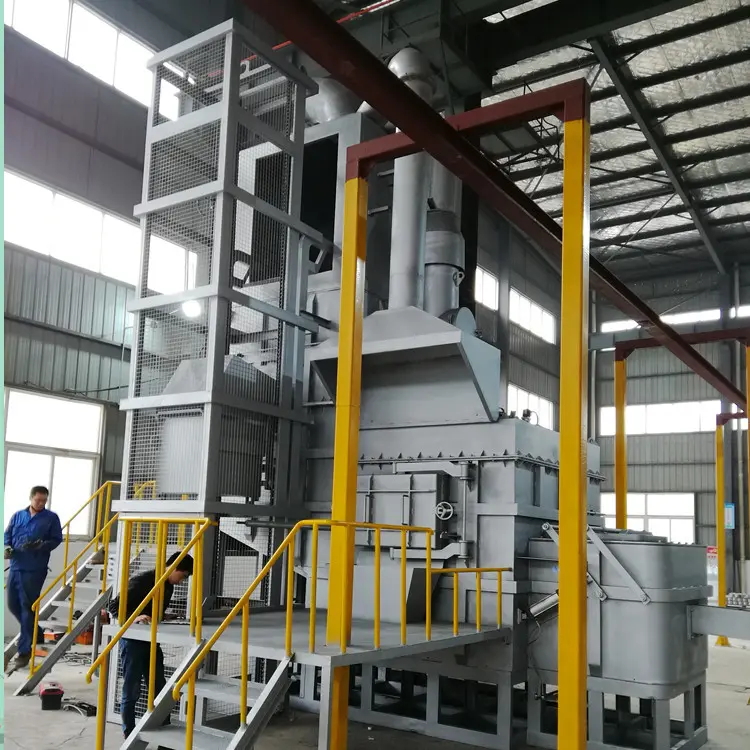
A furnace tower is a vertical, multi-zone heating system built for continuous or batch thermal treatment. Unlike horizontal furnaces that spread across the shop floor, this upright design uses gravity and controlled atmospheres to guide materials through distinct temperature stages. If you’re sourcing high-temperature equipment for sintering, annealing, or specialized drying, getting familiar with how a furnace tower operates can help you match the right machine to your actual production demands.
Why the Vertical Layout Matters
Floor space is tight in most facilities. A furnace tower stretches upward rather than outward, often packing more heating length into a smaller footprint. That alone explains why it shows up frequently in plants where every square meter counts.
But the real advantage runs deeper. Inside a properly engineered furnace tower, material passes through graduated heat zones with limited exposure to ambient conditions. This preserves atmosphere integrity a critical factor when you’re processing oxidation-sensitive metals or performing dew-point-sensitive sintering. The vertical orientation also naturally separates the heating, soaking, and cooling phases, which keeps cross-contamination between stages minimal and thermal shock under control.
Typical Applications for a Furnace Tower
Powder metallurgy operations lean on furnace towers for sintering parts that need uniform shrinkage and consistent mechanical properties batch after batch. The steady temperature ramp and controlled cooldown help prevent the micro-cracking that can quietly ruin yield rates.
Ceramics manufacturers use them for similar reasons. Green parts are fragile, and the gentle thermal transition a furnace tower provides reduces the stress that leads to warping or hidden fractures. Some chemical processing lines also adopt a modified furnace tower for catalyst treatment or vapor deposition, where the vertical gas flow patterns naturally improve coating uniformity.
What to Examine Before Committing
Not every furnace tower handles zone transitions the same way. Pay attention to how the design seals each stage if heat or gas bleeds between zones, you lose the consistency you’re investing in. The insulation package matters too, especially for processes running above 1000°C where energy costs add up quickly.
Maintenance accessibility deserves an honest look as well. A tall furnace tower can turn simple tasks like element inspection or gas inlet cleaning into multi-hour jobs if access ports are sparse or poorly positioned. Before you buy, walk through the routine service steps with the supplier and note which procedures require scaffolding or special lifts.
Summing Up the Practical Benefits
- Compact vertical footprint frees up floor space for auxiliary equipment
- Gravity-assisted material flow creates natural thermal staging
- Graduated heating and cooling reduce thermal shock damage
- Clean atmosphere separation between process zones
- Consistent part-to-part results in continuous operation
Does Your Line Need a Furnace Tower?
If you’re processing delicate materials continuously, working with tight floor layouts, or running atmosphere-critical treatments, a furnace tower is worth evaluating closely. The design isn’t just about saving space it shapes how heat and gas interact with your product at every stage. Understanding those interactions helps you choose equipment that performs reliably across full production cycles, not just during initial commissioning.
Post time: Apr-30-2026