
A melting crucible is a container built to hold metal, glass, or other materials as they’re heated to liquid form. It has to take extreme heat without cracking, resist chemical reactions with the contents, and stay strong enough to lift and pour safely. The materials used to make a melting crucible vary because no single substance covers every application. Depending on your metal, your furnace, and your temperature range, you might be looking at clay graphite, silicon carbide, alumina ceramic, fused silica, zirconia, steel, or even platinum.
Clay Graphite: The Everyday Choice
For most people melting non-ferrous metals gold, silver, copper, aluminum, brass, bronze a clay graphite melting crucible is the go-to option. These are made from a mix of natural graphite and refractory clay, shaped and fired into a dense, heat-conductive body. A surface glaze helps protect against oxidation during heating. They handle repeated thermal cycling well, release melts cleanly, and cost less than premium alternatives. Jewelers, hobby casters, dental labs, and small foundries use them daily because they strike a practical balance between performance and price.
Silicon Carbide: For Production Environments
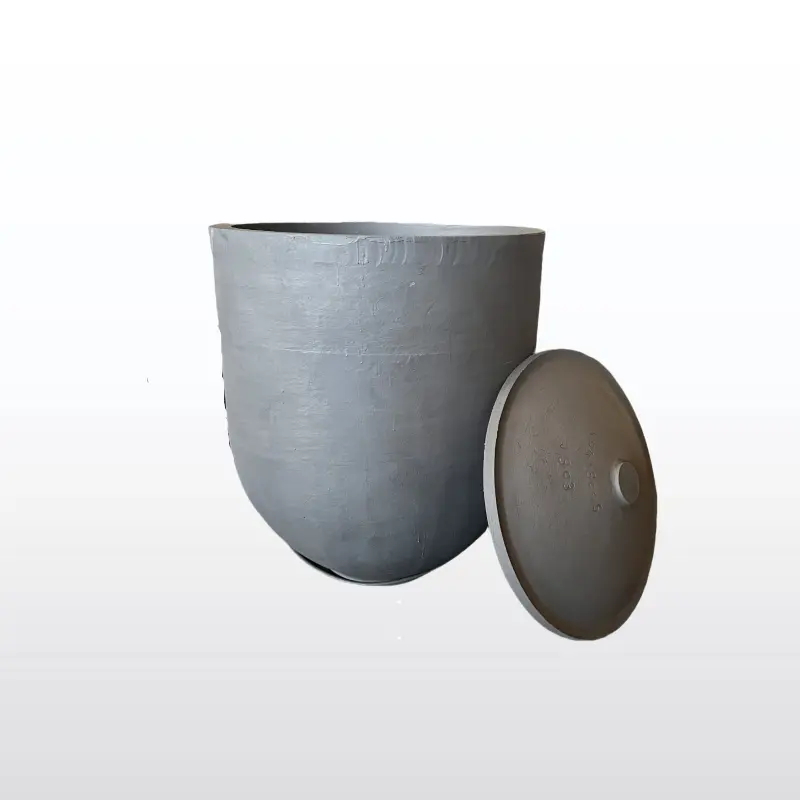
When melting moves from occasional to continuous, silicon carbide takes over. This material offers higher strength at temperature, better oxidation resistance, and longer life under demanding conditions. Foundries running induction furnaces or gas-fired setups often choose a silicon carbide melting crucible for copper alloys and aluminum. The initial cost is higher than clay graphite, but the extended service life in high-volume use brings the per-pour cost down. Fluxes and aggressive slag conditions are less likely to eat through the wall prematurely.
Alumina Ceramic: Where Purity Matters Most
Laboratories, assay offices, and specialty manufacturers frequently require crucibles made from high-purity alumina. This ceramic material stays chemically inert beyond 1,700°C and won’t introduce carbon or trace metals into sensitive melts. An alumina melting crucible suits applications where even minor contamination would ruin results. The trade-off is thermal shock sensitivity. Rapid heating or cooling can crack alumina, so users need to follow proper ramp rates. With careful handling, these crucibles deliver exceptionally clean melts in electric and induction furnaces.
Other Materials for Specialized Needs
Beyond the main three, several other materials fill specific roles. Fused silica and zirconia crucibles handle ultra-high temperatures above 2,000°C for superalloys and advanced ceramics. They’re expensive and fragile but irreplaceable in their niche. Steel and cast iron crucibles work fine for low-temperature metals like lead, tin, and zinc cheap, tough, and easy to find. Platinum crucibles serve analytical chemistry where absolute cleanliness and corrosion resistance justify the extreme cost.
How to Choose the Right Material for Your Melting Crucible
Temperature rating is the first filter. Your crucible material must exceed the melting point of your metal with a comfortable safety margin. Next, consider thermal shock resistance. A gas furnace that ramps up fast can crack a material that handles an electric furnace just fine. Chemical compatibility matters too. Graphite crucibles can introduce carbon into some alloys; silica-based ceramics can react with certain fluxes. Think about your cycle frequency. A hobbyist pouring once a week has different durability needs than a foundry running three shifts.
Practical details make a difference. Look for even glaze coverage on graphite crucibles bare spots oxidize faster. Check that wall thickness is consistent, since thin areas create weak points. Store graphite crucibles dry, because absorbed moisture turns into steam and can cause the crucible to pop when heated. Size your melting crucible correctly based on metal weight and density. An undersized crucible risks overfilling; an oversized one wastes fuel and time.
In practice, the right material match shows up in cleaner pours, longer crucible life, and fewer interrupted melts. Once you know what your melting crucible is made from and why that material suits your specific job the selection process becomes much simpler.
Post time: Apr-28-2026