
Main Types of Scrap Aluminum Melting Furnaces
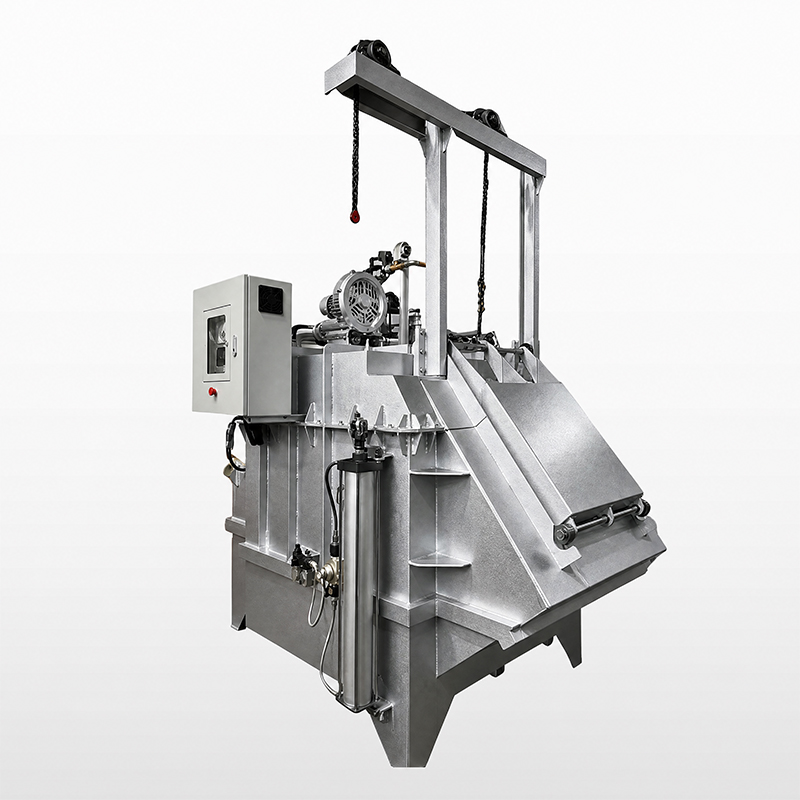
Comprehending the different kinds of scrap aluminum melting furnace options available can help you choose the best one for your business. The major types are listed below.
1. Reverberatory Furnace: This style of aspect is widely applied due to the following reasons including its huge processing ability. It is appropriate for dealing with high volumes and is capable of coping with a wide variety of waste materials.
2. Induction Furnace: Induction furnaces are reputed for their energy-efficient characteristics; hence, they are good for melting small amounts of scrap alum. They work on the principle of electromagnets to heat the metal and allow controlled temperature.
3. Rotary Furnace: These types of furnaces allow flexibility when it comes to processing different sizes and types of waste materials. They are commonly known for their capability to ensure uniform heat distribution.
Key Factors to Consider When Choosing
Choosing a furnace to melt aluminum scrap calls for an adequate understanding of several important components:
Energy Efficiency and Operating Costs: Energy usage is an important factor to consider. Induction furnaces, for instance, tend to be more efficient than other kinds. In making selections, employ both initial cost and long-term operational expenses.
Capacity and Production Requirements: Evaluate your production needs and estimate the probable amount of scrap being used. Larger businesses may find a reverberatory furnace beneficial while smaller companies may prefer to use an induction furnace.
Melting Process: From Preparation to Casting
The melting process involves several stages to ensure high-quality outcomes:
Sorting and Pre-Treatment: The scrap is processed and arranged according to the type of alloy to reduce oxidation and impurities. Suitable pre-treatment ensures smooth recycling operations.
Charging and Melting: The aluminum furnace is filled with raw materials, which are then heated until they liquefy into molten aluminum.
Refining and Degassing: Hydrogen and slag are removed from the molten metal during this step to enhance purity.
Casting: The pure molten aluminum is then cast into ingots, billets, or molds for further use.
Frequently Asked Questions
What is the most cost-effective type of scrap aluminum melting furnace?
Although the initial cost of induction furnaces might be higher, they are perceived as being economically viable in the long term owing to their efficient use of energy.
How does an induction furnace work?
The induction furnace employs electromagnetic induction, which makes it heat aluminum scrap to the exact temperatures needed to melt the aluminum scrap, and it does this while efficiently using energy.
If you have any queries regarding upgrading an existing furnace or picking a new one, we recommend you get an opinion from an expert. This will provide you with valuable information regarding the best technology for your needs.
The right scrap aluminum melting furnace is critical to efficient, economical, and green aluminum recycling. Be sure to consider all factors before making a choice that maximizes the efficiency of your operations without affecting the environment.
Post time: Sep-08-2026