
If you have a metalworking or jewelry-making project, an essential tool you will require is a melting crucible. This is a container that is utilized to melt metals and other materials at high temperatures, and as such, represents an important tool in a number of crafting and industrial processes. So how do you pick the melting crucible that will serve your needs best? In this guide, we will list different types of crucibles that can be used, different materials you can choose from, and some of the elements to take into account before buying your crucible.
What Is a Melting Crucible?
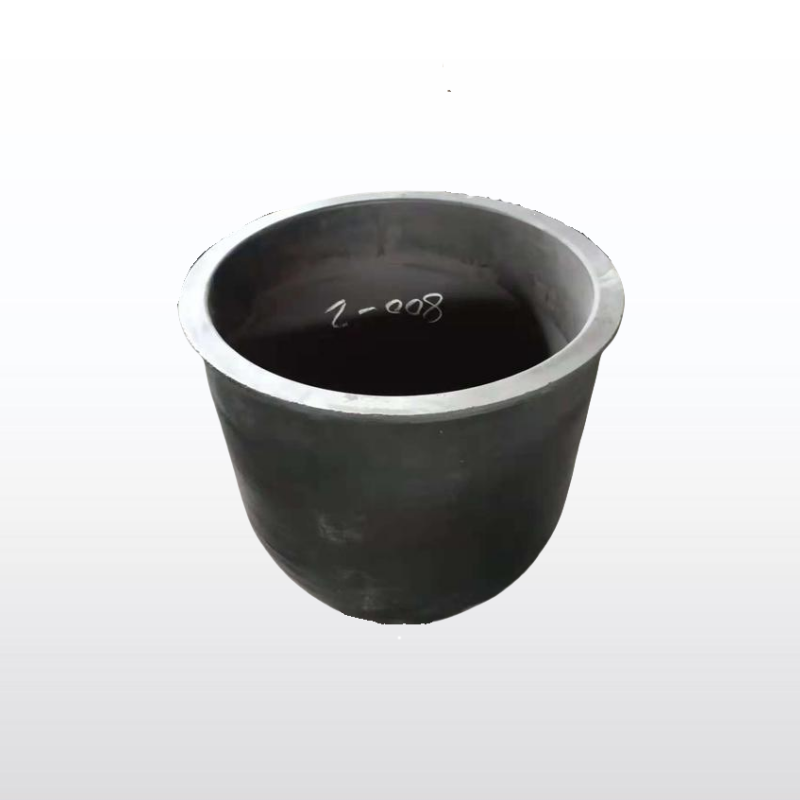
The melting crucible acts as container for materials that undergo fusion. This first component in the metalworking process is designed to weather very high temperatures, thus ensuring that the metals that have to be melted are processed properly. According to your application, you can choose from different types of ceramic melting crucibles for jewelry work or lead melting crucibles for industrial purposes. To make the right decision when choosing the melting pot crucible, it is important to know the role of the instrument.
Crucible Materials: Graphite vs. Ceramic vs. Clay
The effectiveness and longevity of the crucible depend a great deal on its material, in addition to what kind of metals can be melted using it.
Graphite: One of the great usages of graphite crucibles is due to their high ability to conduct heat and high temperature resistance. They are frequently used when dealing with precious metals, as well as any metal alloy present (both ferrous and non-ferrous metals). The one exception to this rule may be the case of highly corrosive substances.
Ceramic: Ceramic crucibles can endure thermal shock and therefore experience little resistance to sudden temperature changes. In glass melting applications, ceramic crucibles are often selected, but there is a need to be cautious because they are brittle.
Clay: Clay crucibles are cheaper and applicable for many casting purposes. Although they are mainly used for low-temperature applications, clay crucibles may not provide as much durability or efficacy as ceramic or graphite crucibles.
Key Factors to Consider Before Buying
When choosing a melting crucible, several factors come into play:
- Melting Point of the Material: Ensure the crucible can withstand the temperature required for the material you plan to melt.
- Size: The volume of the crucible should meet your needs without being excessively large or small.
- Cost: Although finances play a role in your purchase decision, it is wise to evaluate the significance of having a good crucible that will provide excellent functioning.
- Compatibility: If you’re using a specific type of furnace, make sure the crucible is compatible.
Common Mistakes to Avoid When Choosing a Crucible
To ensure a successful melting experience, avoid these common pitfalls:
- Choosing the wrong material for your project.
- Overlooking the melting point of your crucible.
- Neglecting the size implications for your workspace and furnace.
Taking all of this into account, you will be able to choose the appropriate melting crucible for your project. No matter whether you are in need of a ceramic melting crucible for fine work or a strong lead melting crucible for more complicated tasks, it is essential to know the melting material, temperature, and pricing in order to make the right choice.
Post time: Aug-13-2026