
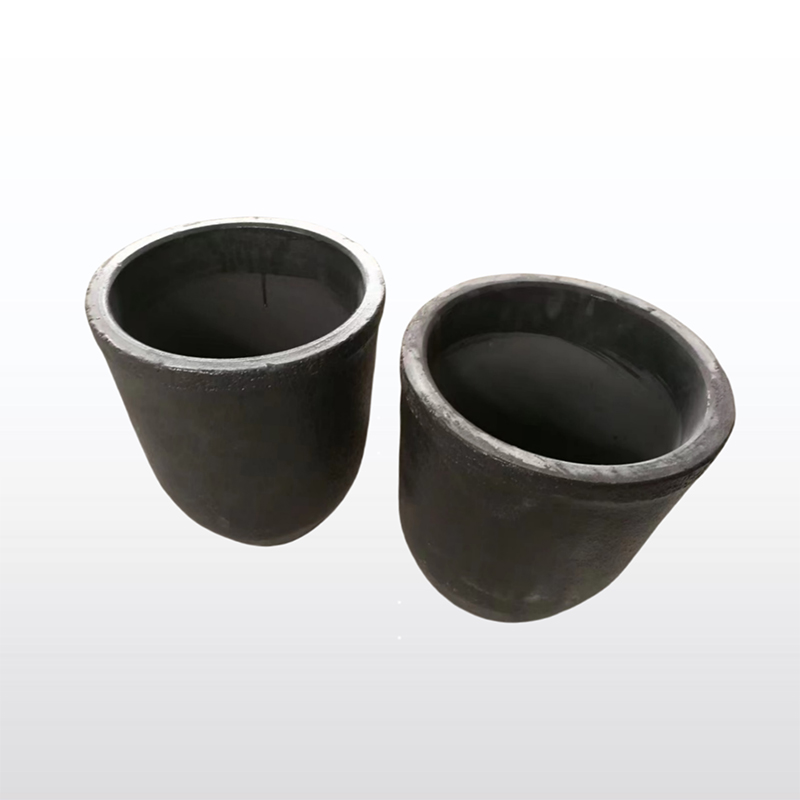
When melting metals such as gold, silver, platinum, palladium, and jewelry alloys, the crucible needs to have high-temperature resistance while also ensuring that the quality of the melted metal is maintained. Jewelers, refiners, laboratories, and small foundries prefer graphite crucibles because they ensure the efficient transfer of heat, have excellent resistance to thermal cycling, and allow hassle-free melting and pouring. The right type of crucible should also ensure minimum loss of metal and even heat distribution, while other factors like the material, capacity of crucible, type of furnace, and alloy should also be taken into consideration before purchasing.
Why Use Graphite Crucibles?
The thermal conductivity of graphite is exceptional, making it possible for heat to travel swiftly and uniformly throughout the wall of the crucible. Consequently, precious metals are able to melt evenly while the potential for excessive heat in localized areas is reduced. In addition, crucibles made from graphite have impressive thermal-shock resistance, which contributes to their ability to withstand heating and cooling cycles.
While refining gold or silver, graphite crucibles are capable of providing users with clean metal extraction while operating in different industries, as it is a common material for both induction and electric melting methods or for the techniques using gas burners and torches. They are used extensively for casting metal ingots, creating jewelry alloys, and recovering precious metals.
Clay Graphite vs. Silicon Graphite Crucibles
A clay graphite crucible is made from a mixture of graphite and refractory clay as well as other heat-resistant materials. The crucible is particularly suitable for use in jewelry shops and gas furnaces since it provides good resistance to oxidation and allows for the melting of gold, silver, brass, and bronze.
Crucibles made from silicon graphite, generally with some silicon carbide present, are engineered to achieve higher strength and longer service life than alternatives in demanding production settings. They are well suited for processes involving several melting operations or higher temperatures. Crucibles must be chosen from the recommended grade for metal and combustion equipment, especially in the case of precious metals.
Choosing the Right Size and Shape
When choosing the crucible size, use the weight of the metal rather than just its volume. Although gold is heavier than silver, small crucibles may possess a considerable quantity of gold. You must leave ample space for flux, slag, mixing, and safe pouring, because filling the crucible to the brim raises the chances of spillage.
The design must also be compatible with your equipment. A crucible with pouring spouts can make it easier to produce ingots, while cylindrical crucibles may better suit induction coils. Before purchasing a crucible, measure its outside dimensions, especially if induction furnaces are used because it can affect performance in heating.
Melting Best Practices
Examine the crucible prior to each melt. Do not use the crucible if there are any cracks in it, whether thinning of walls, high level of oxidation, or any damages around the tip and around the base. Check that all crucibles, metal scrap, flux, molds, and tools are dry as moisture can lead to dangerous steam burns.
Heat slowly to vaporize any residual moisture, thereby preventing thermal stress. Utilize clean and sorted feedstock, and if proper composition has importance, do not mix jewelry alloys unless their composition is well-known. Use the appropriate amount of flux, such as borax-based flux that is recommended for numerous applications involving precious metals.
Don’t heat up the melted metal too much. Excessive heat leads to loss of alloy materials, increased oxidation, absorption of gases, and faster deterioration of crucible. Wherever possible, use an accurate temperature control system instead of relying on colors.
Care and Maintenance Tips
Let the crucible cool spontaneously in a dry area. Do not cool it suddenly with water or allow it to sit on wet surfaces. The unutilized crucibles should be kept safe from moisture and physical damage, ideally being off the ground.
Make use of tongs that fit properly without collapsing the wall of the crucible. It is essential that the slag be removed with care and not scraped aggressively with tools made of steel. For purity work, separate crucibles should be used for the gold, silver, platinum metals, and others.
FAQ
Can a Graphite Crucible Melt Platinum?
Always make use of crucibles and melting systems specifically designed for the task when working with platinum. With a melting point of around 1,768 degrees Celsius, it is advisable to check with your supplier about maximum temperatures and materials compatibility with platinum.
How Long Does a Graphite Crucible Last?
The working life of a crucible is predicated on a number of factors such as the quality of the crucible material, temperature of usage, atmosphere in the furnace, method of melting, and its handling. Good preheating, dry storing and avoiding excessive temperature will help to prolong its life considerably.
When it concerns melting precious metals, a graphite crucible can be an excellent investment when the material, furnace and batch are matched correctly. Select a suitable grade of crucible to work with, observe melting safety practices, and replace broken crucibles in a timely manner.
Post time: Sep-01-2026