
Welcome to the comprehensive guide to Crucible Metal Melting; The must-read for Metalworking Enthusiasts, Hobbyists & Professionals. This article covers the fundamental aspects of melting metal in a crucible the Equipment, Process and Safety Procedures that need to be followed as well as addressing some of the frequently asked questions and discussing what types of metals are best for melting in crucibles.
What Is Crucible Metal Melting?
The melting of metals in crucibles is done by utilizing a unique type of crucible called a crucible, which is either made out of ceramic materials or metal and has the ability to withstand high temperature. This crucible melting process is used in a number of applications, from producing jewelry to manufacturing metal components in a high temperate industrial setting. The melting occurs when the crucible is placed into a heating source (furnace, torch, etc.) until the metal contained within it reaches its melting point and turns into a liquid form.
Essential Equipment for Crucible Metal Melting
In order for crucibles to successfully melt metal you will need the proper tools. The basic elements to be included are:
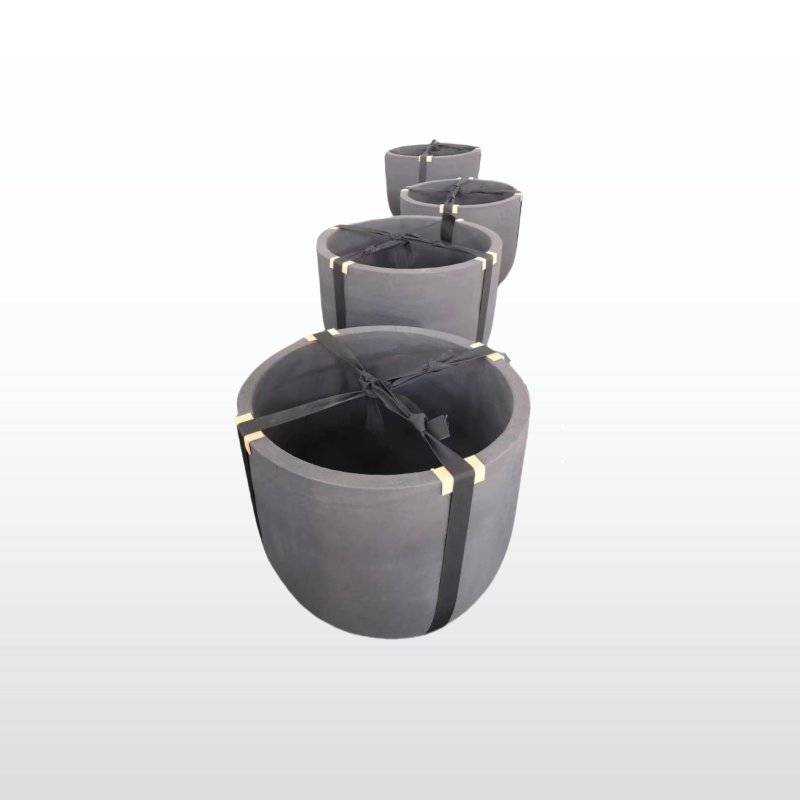
1. CrucibleAs the main component of the operation, crucibles can be made from various materials and come in many different sizes. Graphite, clay-graphite, and silicon carbide are examples of materials that have been selected to make crucibles because they exhibit high melting points and are intrinsically strong. The material chosen for crucible is based on the metal that will be melted.
2. Melting FurnaceA metal crucible melting furnace can be very important in reaching the proper temperature for melting metals. Various choices are available, typically an electric induction furnace and a propane or natural gas furnace, each with its own advantages in cost and efficiency.
3. Safety GearThe primary consideration during any melting procedure will always be safety. As such, you should wear appropriate personal protective equipment (PPE), including heat-resistant gloves, protective eyeglasses, face shields, and flame-resistant clothing, to avoid injury from splashes of molten metal and the possibility of being burned due to high-temperature conditions.
4. Tools and AccessoriesUsing supplementary equipment like tongs for moving hot crucibles (after heated), thermometers for measuring metal temperature (while melting), and ladles for pouring molten metal will increase both the efficiency and safety of the melting process.
Metals Suitable for Crucible Melting
There are various metals that are all melted at different temperatures and require differentmethods. Below is a brief summary of metals that are typically melted in a crucible:
1. AluminiumAluminum is easy for beginners to use and is also easy to work with, since its melting point is approximately 660 degrees Celsius (1220 degrees Fahrenheit).
2. Copper: This metal melts at approximately 1085°C (1985°F) and is often used in electrical applications.
3. BronzeGenerally speaking, the melting point of various types of bronze will range between 900°C and 1000°C (1652°F–1832°F), making them very good to cast.
4. Gold and Silver: Jewelers commonly utilize gold and silver as their preferred materials due to their relatively low melting temperatures: Gold melts at approximately 1064 degrees Celsius (1947 degrees F) and silver melts at approximately 961.8 degrees Celsius (1761 degrees F).
Safety Protocols for Crucible Metal Melting
The first priority whenever metal is melted down, is ensuring there is safety. Essential safety rules must be adhered to during this entire metal melting process, including:
- Always work in a well-ventilated area to avoid harmful fumes.
- Maintain a clean workspace free from flammable materials.
Know the metals you’re melting, and how best to use the equipment to avoid injury.
Never leave the forge unattended for long periods; fire extinguishers should always be present in case of an emergency.
Frequently Asked Questions (FAQs)
What is the best crucible material for melting copper?Due to the high thermal conductivity and thermal shock resistance, graphite crucibles are the most commonly used crucible type for melting copper.
Can I use a propane torch for crucible melting?If you plan to do some small melting project: Propane torch will work great for melting things – and it can work further down the scale too (aircraft-grade aluminum being a good example).
Is inductive melting worth the investment?Those serious about working with metals could find inductive furnace systems to be well worth their investment, due to their high efficiency and ability to give exact repetitional results when it comes to temperature control.
In conclusion, if you have mastered crucible metal melting in your craft or if you’ve just become interested in it and are planning to get started, know that there are many different ways to melt metals to achieve your desired outcome. By utilizing proven processes, using high-quality tools, and adhering to general safety practices, there will be numerous opportunities for you to produce functional, attractive parts for your projects! Happy melting!
Post time: Jun-23-2026