
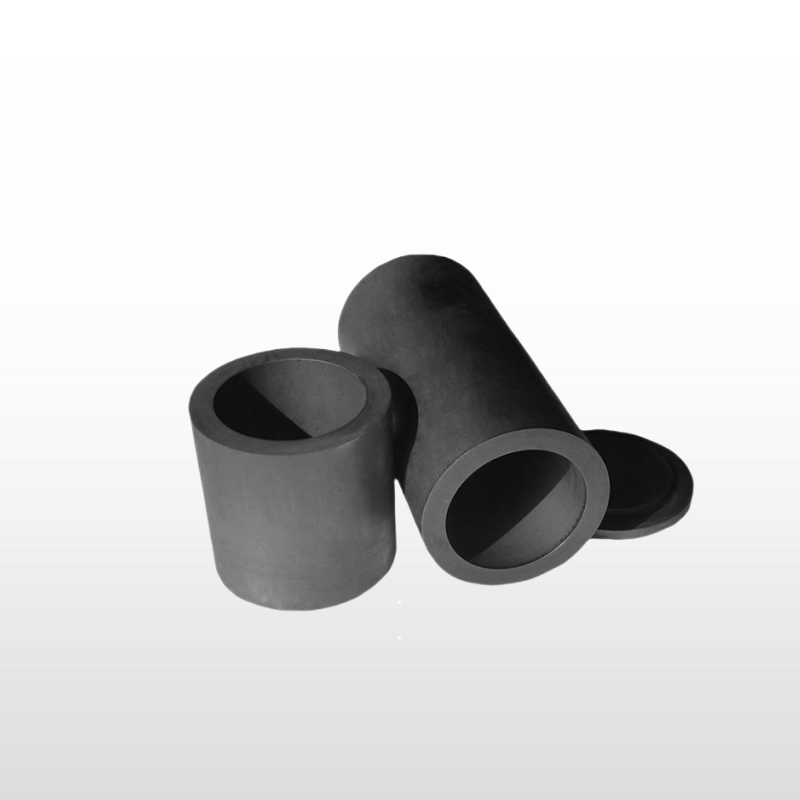
If you want to melt a small amount of metal or some other molten substance, a Small Graphite Crucible is more viable than a large crucible. It ensures quick heating, precision control of the batch, easier handling, and reduced costs of operation.
What Is a Small Graphite Crucible?
A graphite crucible is a type of container that has a high heat resistance, and is typically used to melt, hold, and pour substances at high temperatures. Small types of crucibles are invented for applications where low volumes are required.
Natural graphite, high purity graphite, clay graphite, and other composite materials are the most frequently used materials. The preferred option is chosen based on the type of material to be melted, the type of furnace used for melting, the melting temperature, and the expected service life.
Key Benefits of Small Graphite Crucibles
Faster Heating and Melting
A small crucible has a lesser thermal mass as compared to that of a large crucible. Hence it can reach temperature faster aiding in achieving lesser melting time and enhancing productivity levels. Moreover, graphite also helps in good heat transfer which promotes improved heating of the material.
Lower Energy Consumption
Using a large crucible to generate heat results in energy lost if it is not completely full. With a small crucible, the size of the container matches the actual batch size, thus lowering the energy used to heat the crucible and its contents.
Better Batch Control
Melting on a small scale helps to accurately gauge ingredients as well as replicate the same process. This is vital for precious metal casting, alloys testing, laboratory research, and other uses where the composition is critical.
Reduced Material Waste
A smaller-size crucible has got a smaller surface area internally leaving behind little molten metal after pouring. This is very crucial especially when dealing with precious metals such as gold, silver, platinum, and palladium.
Easy Handling
Little graphite crucibles weigh less making them more manageable to set and afterwards check, remove, and pour the content. They suit workshops and laboratories with limited space. Their compact size facilitates switching from one material or batch to another.
Precise Temperature Control: The Edge of Small Graphite Crucibles
Temperature regulation minimizes overheating, oxidation, alloy alteration, and damage to the crucible. The appropriate choice of crucible size enables the operator to monitor substances and halt heating shortly after achieving the required temperature.
Graphite has excellent thermal conductive capacity but still requires a proper furnace controller, thermocouple, or pyrometer to function effectively. Suppliers’ recommended temperature and heat rates should always be observed. The actual working temperature can vary due to the type of furnace atmosphere, crucible coating, and melting material.
Small Graphite Crucibles vs. Large Graphite Crucibles
Large graphite crucibles are ideal for high production volumes and the continuous melting of materials. While they decrease the amount of batches it can put a greater strain on energy consumption and heating times if they are not filled properly.
Generally, small crucibles are preferred for use in testing, small-scale manufacturing, precious metals, and versatile melting applications. The correct size of the crucible should be compatible with the furnace, charge material, heating medium, and production requirements.
How to Choose the Right Crucible
- Capacity: Select a working capacity that leaves room for expansion and safe pouring.
- Graphite grade: Consider purity, oxidation resistance, strength, and contamination requirements.
- Furnace compatibility: Check the crucible dimensions, shape, wall thickness, and heating method.
- Operating atmosphere: High temperature oxidation of graphite may occur in air, indicating the need for an inert or controlled atmosphere.
- Material compatibility: Confirm that the crucible is suitable for the metal, alloy, or chemical being processed.
Safe Use and Maintenance
Before using a crucible, it is important to check it for defects such as cracks, chips, or significant wear. Follow instructions on preheating the crucible from the manufacturer so that it will be able to deal with wet elements or tools responsible for causing splashes, cracks, or thermal shock.
Avoid overfilling the crucible or going beyond its limits as regards temperature. Wear protective clothes, gloves, goggles, use ventilation, and appropriate lifting equipment. Once you have finished your experiments do not forget to cool down the crucible and store it away in a dry place.
Frequently Asked Questions
What can be melted in a small graphite crucible?
Little graphite crucibles are regularly employed to melt gold, silver, copper, brass, bronze, aluminum, and other non-ferrous metals. Compatibility relies on temperature, chemical reaction, and the environment of the furnace.
Can a small graphite crucible be used in an induction furnace?
Some designs are meant for induction heating; however, it does not imply that all graphite crucibles can be utilized accordingly. Therefore, it is best to define the electric characteristics, dimensions, and clearance requirements before purchasing.
How long does a small graphite crucible last?
The longevity of an appliance is influenced by various factors such as heat, temperature, environmental conditions, type of materials and utilization. Careful and correct utilization of a device and proper storage can contribute to its longer longevity.
The advantage of having a Small Graphite Crucible for melting is that it is not only efficient but also very manageable and flexible. It utilizes minimal energy, material, and handling effort because of its size.
Post time: Aug-25-2026