
It is not enough to simply select an aluminum melting crucible that holds liquid metal as the right one. You must take into consideration material properties, types of furnaces used, as well as specific melting objectives. The choice of crucible can have far-reaching consequences such as contamination or safety hazards during operation, which can lead to wasted fuel.
Key Factors When Choosing an Aluminum Melting Crucible
Aluminum has a melting point of approximately 660 degrees Celsius (1220 degrees Fahrenheit), which is considered low compared to steel and copper. But does that mean that any heat-resistant pot is suitable? Not necessarily.
1. Material Matters Most
Some crucibles are not ideal for handling aluminum in its molten form due to the possible reaction with the crucible material. In this regard, the first requirement for a suitable crucible is chemical inertia and resistance to wetting.
- Graphite: Excellent heat transfer, lightweight, and affordable. Great for intermittent use.
- Clay-Graphite: A rugged hybrid that handles thermal shock well—ideal for propane or charcoal furnaces.
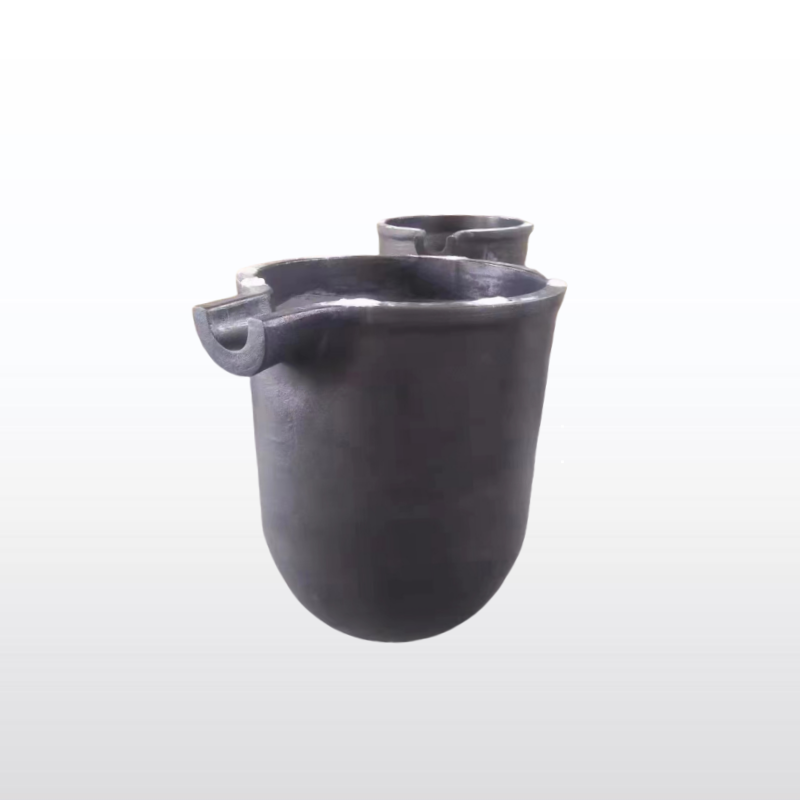
- Silicon Carbide (SiC): Resilient, durable, and capable of withstanding thermal variations and chemical exposure. Ideal for intensive or industrial applications.
- Ceramic/AluminaHigh purity and resistance to corrosion, but has brittle structure and slow heating. Optimal for laboratory work or precise casting.
Don’t use cast iron or plain steel. Over time, molten aluminum will interact with the iron, resulting in a weaker crucible as well as contamination of the metal.
2. Thermal Shock Resistance
If you’re in the habit of heating and cooling your furnace regularly (as is usually the case in hobby setups), your crucible must be able to withstand the sudden temperature changes. Both graphite and SiC do well in this regard, unlike ceramic material.
3. Size and Fill Ratio
A crucible should not be overfilled. When aluminum melts, it expands and has a tendency to rise due to surface tension. Therefore, it is recommended to fill a crucible to about 70%-80% full in order to prevent spillage.
Crucible Materials for Aluminum Melting: Pros and Cons
| Material | Best For | Watch Out For |
|---|---|---|
| Graphite | Hobbyists, low-cost setups | Can oxidize if left exposed to air at high temps |
| Clay-Graphite | Propane/charcoal furnaces | Slightly heavier, moderate cost |
| Silicon Carbide | Frequent use, induction furnaces | Higher upfront cost |
| Ceramic | Lab-grade purity | Fragile, poor thermal conductivity |
Matching the Crucible to Your Melting Furnace Type
Your furnace dictates what crucible will work—and what will fail.
- Propane or Charcoal FurnacesThese depend on outside flame heating. Clay-graphite and silicon carbide crucibles cope the best with direct flames and uneven heat distribution.
- Electric Resistance Furnaces: Provide steady, even heat. Graphite and ceramic crucibles perform well here.
- Induction FurnacesElectric conductive crucibles are required such as specialized SiC or graphite since ceramics will not react with the electromagnetic field.
It is essential to consult with the manufacturer’s guidelines regarding crucible specifications and compatible materials for the furnace.
Common Mistakes in Aluminum Crucible Selection
- Skipping PreheatingIt is critical to dry new or cold crucibles, as they contain moisture. To do that, slowly warm the crucibles at a temperature of 100-200°C for more than 30 minutes, before melting.
- Buying the Cheapest OptionIt is true that low-density graphite crucibles or poorly fired clay crucibles may be more attractive in their appearance but they can fail after very few melts.
- Ignoring Furnace FitA crucible that is too tall or wide can result in hot spots, unsuccessful heating or harm the lining of your furnace.
- Using the Same Crucible for Different MetalsAluminum can be contaminated by residual copper, zinc and iron from prior melts. Therefore, use crucibles specific to the metal.
Final Thoughts
There is no unique Melting Crucible that fits everyone’s needs perfectly instead different melting crucibles might be better suited for different setups. For the majority of people melting metals on their own, clay-graphite crucibles will provide the best combination of price, durability and performance. However, if you plan to perform a lot of melting or if you are using an induction system it is recommended to choose silicon carbide ones. However, it is very important to remember about correct preheating, sizing and compatibility of the material used for melting.
Frequently Asked Questions (FAQ)
Q1: Can I use a stainless steel pot as a DIY crucible for melting aluminum?
The answer is no. Aluminum in molten state causes reactions with metals containing iron, causing contamination and failure of the crucible in the long run. The steel would also crack when subjected to repetitive thermal cycles. It is better to use graphite, clay-graphite, or Silicon Carbide material.
Q2: How long does an aluminum melting crucible last?
Lifespan varies based on material and use. Graphite crucibles are usually good for around 6–12 months of use, while silicon carbide crucibles can last for 12–20 months or even longer. In addition, if you carry out preheating correctly and don’t have thermal shock, you will prolong the life span of your crucible.
Q3: Why does my crucible crack after a few uses?
It is possible that you skipped the step of preheating. During rapid heating of moisture present in the crucible, it turns into steam, generating internal pressure and cracks. So be sure to always preheat a new or cold crucible gradually.
Q4: How full should I load the crucible?
The 70% rule applies here. If aluminum is melted, it will expand and rise up the crucible walls aided by surface tension. Overfilling can produce dripping, splashing, and uneven heat distribution.
Q5: Which crucible is best for a propane-fired furnace?
Clay-graphite and silicon carbide are the preferred materials. These materials have the ability to resist high-temperature flame, cope with thermal cycling, and endure chemical attack from fluxes and impurities.
Post time: Sep-16-2026