
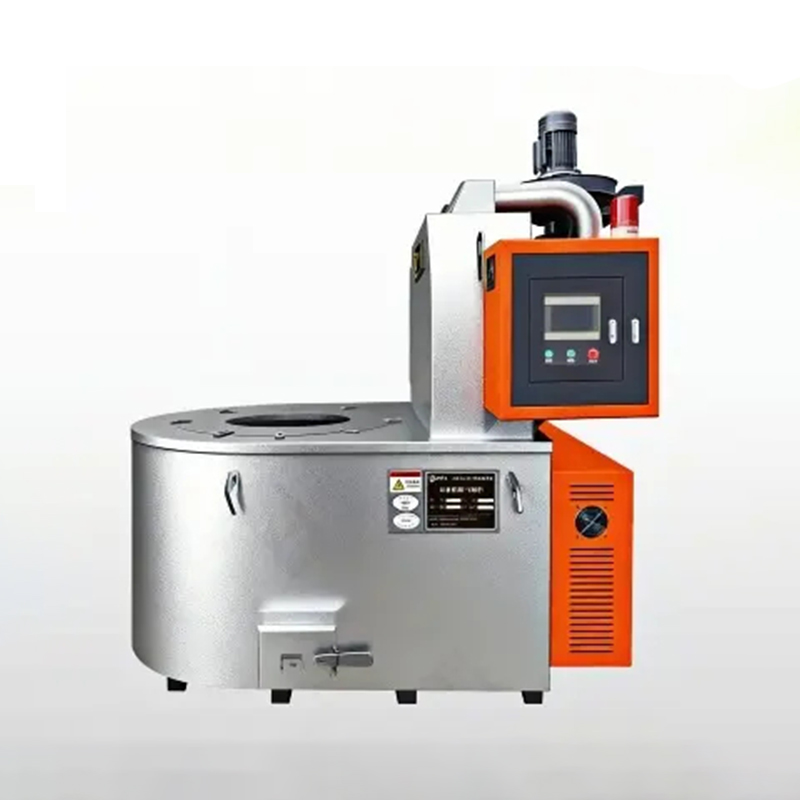
A Crucible Furnace is a vital piece of equipment found in many types of workplaces where small amounts of metal need to be melted down. It is versatile, efficient, and has been used for hundreds of years to melt or refine different kinds of metals and alloys for many purposes. This article will give you the specifics on what crucibles are, their various uses, what types of metal melt best in them, and why they are popular with both metalworkers and manufacturers.
Understanding What a Crucible Furnace Does
A crucible melting furnace uses a container made from heat-resistant materials (i.e., ceramics, graphite, silicon carbide) to contain the molten metal. It typically uses either electricity, gas, or coal for heating depending on the type of furnace being used.
Crucible melting furnaces have some common uses, including:
- Melting and casting of metals: They can melt many different types of metals, including copper, aluminum, bronze, brass, gold, and silver, so they are great for jewelers, small-scale commercial manufacturers, as well as for academic research.
- Alloying of metals: Metallurgists frequently use crucible melting furnaces to alloy multiple metals together to achieve certain desired physical (mechanical, chemical, or thermal) properties.
- Recycling of metals: Many foundries use crucible melting furnaces to recycle and reuse scrap metal to reduce waste and lower costs.
Key Advantages of a Crucible Furnace
- Melting Precision: With these furnaces, the operator has a great deal of control over the melting process, which is very important for melting sensitive metals like gold, silver, and platinum.
- Cost-Effective: Compared to large industrial furnaces, crucible furnaces are much less expensive and provide a cost-effective solution for small-scale operations.
- Flexibility: These furnaces can be used with many different sizes and types of crucibles, making them very flexible for different types of jobs.
- Compact Size: Often, the design of crucible furnaces is quite compact, allowing them to use the least amount of space when placed in a workshop or small manufacturing plant.
Types of Crucible Furnaces
Several types of crucible furnaces have been designed for use in industrial and artisanal applications:
- Lift-out crucible furnaces: This type of furnace allows the operator to manually remove the crucible from the furnace once the metal reaches its melting point. These types of furnaces are more commonly found in small-scale operations.
- Tilting crucible furnaces: As the name suggests, tilting crucible furnaces allow the operator to tilt the entire unit to pour molten metal directly into a mold for casting. This type of furnace is typically found in medium-sized foundries.
- Stationary crucible furnaces: These types of furnaces are typically used to melt small quantities of metal and don’t need to be moved often.
Common Industries That Use Crucible Furnaces
Crucible furnaces have many industrial uses, including:
- Jewelry and precious metal manufacturing
- Automotive and aerospace industries for component casting
- Small foundries for creating prototypes or parts
- Materials testing and academic research
FAQs
How does a crucible differ from a furnace or another type of heat source?
There is a difference between a crucible (the container for holding and melting) and a furnace (the machine that provides enough heat to melt). The term “crucible melting furnace” refers to the combination of the crucible and the furnace as they function together.
What Are the Drawbacks to Using a Crucible Furnace?
While crucible furnaces offer multiple benefits, they also have some drawbacks:
- Limited capacity: These furnaces often have a lower capacity compared to industrial-scale furnaces, making them suitable for smaller projects.
- Manual operation: Many crucible furnaces require manual loading and unloading of materials, which can be labor-intensive.
- Energy efficiency: Depending on the fuel source, such as coal or gas, some crucible furnaces may be less energy-efficient than modern induction furnaces.
Choose a Furnace or a Blast Furnace?
If you have a production need for only small amounts of metals at precise temperatures, then a crucible furnace is ideal. They are typically designed for melting metals with lower melting points, such as aluminum and bronze. On the other hand, a blast furnace is better suited for large-scale industrial applications, such as smelting iron and producing steel at very high temperatures.
Are all Aluminum Melting Furnaces a Form of a Crucible Furnace?
While crucible furnaces can be used to melt aluminum, not all aluminum melting furnaces are crucible furnaces. Aluminum furnaces are often specifically designed with advanced temperature controls and features tailored for aluminum melting, which might differ from a traditional crucible furnace.
Conclusion
Crucible furnaces provide a safe, effective, and economically attractive solution for artisans and small-scale manufacturers. Whether you need to melt metals, craft fine jewelry, or create custom metal components, crucible furnaces remain a reliable tool in many industries. While these furnaces may not match the capacity or efficiency of large industrial furnaces, their precision and versatility make them indispensable for specialized applications. For those working with precious metals, alloys, or small batches, a crucible furnace is an invaluable asset to have.
Post time: May-21-2026