
A crucible pot has been essential for heating, melting, and refining materials for centuries. Whether you’re a jeweler, metalworker, chemist, or potter, knowing how to use one properly improves your results. This article explains what a crucible is, how it works, what you can melt in it, its various applications, and answers common questions about this indispensable tool.
What Is A Crucible And How Is It Used?
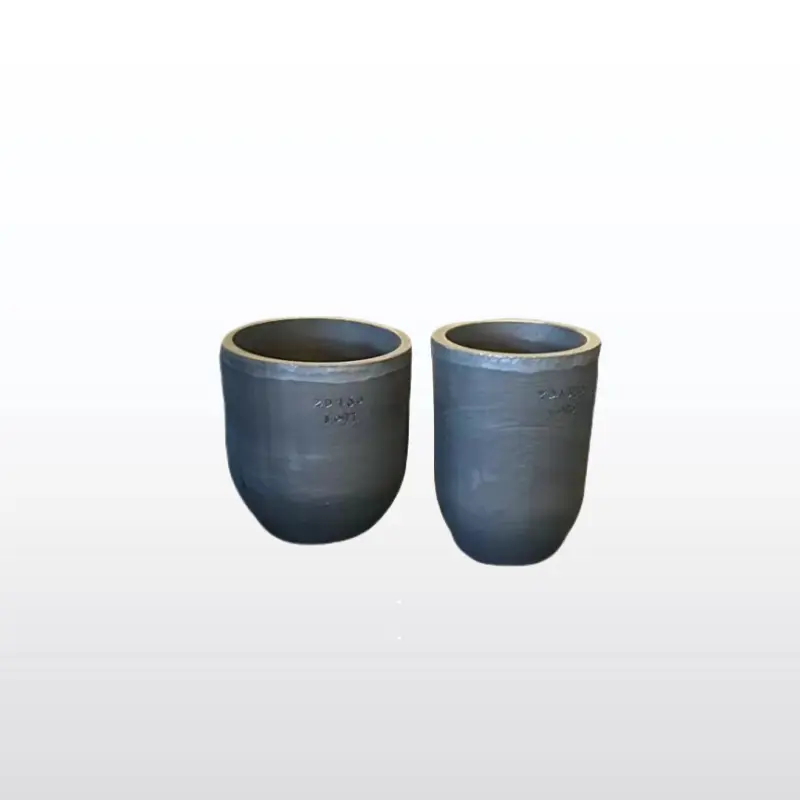
A crucible is a heat-resistant vessel that can withstand very high temperatures. Crucibles are generally made out of durable materials such as, but not limited to; graphite, clay, quartz, porcelain, and many types of metals. The material chosen for the crucible can depend on the specific application for which the crucible will be used, since the melting point and thermal resistance of each material varies.
Crucibles are generally used to carry out melting, smelting, and refining processes on metals and/or other substances. Because crucibles are extremely strong and maintain their structural integrity under extreme conditions, they can withstand temperatures in excess of 1000 degrees Celsius (1832 degrees Fahrenheit) and are widely used in industries such as; jewellery making, metallurgy, labs, and pottery.
Crucibles are loaded with the raw material whether it be a metal or chemical and then heated in a furnace, kiln, or blow torch depending on the application. Due to the highly durable constructions of the crucible, it evenly dissipates heat providing the most efficient melt or chemical reaction. A crucible is an extremely versatile tool that can be utilized for many different purposes across multiple industries. Some of the most common uses for a crucible include:
- Smelting: The crucible smelting pot is often used in the melting process of metals such as gold, silver, copper, aluminum and iron. This application is required for recycling scrap metals, making jewelry or creating custom metal components.
- Creating Alloys: You can mix two or more metals together to create specialized alloys. The crucible assists in ensuring that the metals being mixed together are evenly distributed throughout the heating and melting process.
- Conducting Chemical Reactions: Scientific laboratories use crucibles for conducting chemical reactions at high temperatures. In some cases, these reactions can include combustion, or synthesis experiments.
- Ceramic and Pottery: In the firing of clay at very high temperatures, crucible pottery is made with the pot serving as a protective vessel for the firing operation. In addition, crucible pottery will produce specific effects on the glazing.
- Testing Purity of Materials: Both metallurgists and chemists will use crucibles to test the purity of a substance by performing a precise thermal process.
What materials can you melt in a crucible?
When using different types of crucibles, there are numerous substances from which to choose to melt (some examples of these different types of crucibles include):
- Graphite crucible pots: Graphite is very resilient to thermal shock, which provides the perfect environment for melting metals such as gold, silver and aluminum. It will also protect the melted metal from being contaminated so that it remains in its pure state.
- Clay and ceramic crucibles: Clay and ceramic crucibles are commonly used for pottery and the firing of clay. Crucibles are available for melting low to moderate temperature materials like glass.
- Quartz crucible: This type of crucible is used mainly in laboratories for high-temperature chemical reactions and tests.
- Metal crucible: Metal crucibles are made from strong, durable alloys that can hold up to extremely high temperatures. They’re mostly used with steel or cast iron.
When a crucible material is chosen correctly, it will be unlikely to crack, react with melted material, or change the quality of what is in the crucible when it is heated.
Common Questions about Crucibles
Q. What can I do with a crucible?
A. A crucible allows a user to safely and reliably melt and manipulate materials including metals, glass or chemicals. Whether smelting metals, running chemical experiments or glazing ceramics, crucibles offer one of the most essential tools used in low temperature to high temperature tasks.
Q. What is a crucible, and how is it used?
A. A crucible is a high-temperature resistant container that is typically made of materials like graphite, clay or ceramic. They’re most typically found in melting and smelting applications in metallurgy, laboratories and ceramics for heating, melting, or treating materials in a controlled manner.
Q. What can I melt in a crucible?
A. A crucible can be used to melt a variety of items including precious metals (gold, silver, and platinum), non-ferrous metals (copper and aluminum), and non-metallic materials such as glass depending on the type of crucible used.
How to Select the Right Crucible
To select the right crucible that will help your project run with performance, it is important to know your project requirements. Fortunately, there are a number of graphite crucible pots, ceramic crucibles and metal crucibles on the market that can meet those requirements. For instance, small graphite crucibles offer many engraving businesses a lot of benefit, while larger ceramic or metal crucibles are typically used in large industrial applications, such as smelting.
A number of considerations should be kept in mind when selecting a crucible, such as the maximum operating temperature of the crucible, whether the material can withstand the maximum operating temperature, how quickly will the crucible be exposed to thermal shock, and what size of the crucible the project requires. Using the above considerations when choosing your crucible will not only enhance your operation efficiency, but will also extend the life of the crucible.
Conclusion
A crucible pot withstands extreme heat, making it essential for melting, smelting, and testing materials across jewelry making, scientific experiments, and pottery. Choosing the right type whether a graphite crucible pot or ceramic crucible pot significantly improves your efficiency and precision. Match the crucible to your project’s specific needs, and you’ll achieve better results in any high-temperature work.
Post time: May-26-2026