
When temperatures climb past the point where standard crucibles start to degrade, Sic crucibles step in and do the heavy lifting. Silicon carbide, often shortened to SiC in material specifications, brings a combination of hardness, thermal shock resistance, and chemical stability that simply outperforms clay-graphite in aggressive furnace environments. Foundries, assay labs, and metal casters who push their equipment hard often land on Sic crucibles as the workhorse that lasts.
What Makes Sic Crucibles Different
The material itself explains most of the advantage. Silicon carbide is a synthetic compound with a crystal structure that stays stable at temperatures that soften or oxidize graphite-based alternatives. For the person standing in front of a furnace, that translates into a few practical benefits that matter more than chemical formulas.
Sic crucibles conduct heat exceptionally well. You get faster melt times and more even temperature distribution through the wall of the pot, which means less fuel burned per kilo of metal poured. In an induction furnace, the coupling efficiency tends to be high as well something operators notice in the cycle time.
Thermal shock resistance is the other headline feature. A Sic crucible can handle the rapid temperature swing from room temperature to full melt heat without the crack-prone behavior that plagues some ceramic crucible types. For shops that run multiple heats per day with limited cooling time between pours, that toughness adds up.
Where Sic Crucibles Perform Best
Most buyers who search for Sic crucibles are working in a few specific scenarios. The common thread is heat, repetition, and a need for consistency:
●Non-ferrous metal melting: Copper, brass, bronze, and aluminum all run cleanly in a Sic crucible. The material resists oxidation and doesn’t introduce unwanted carbon pickup into the melt.
●Precious metal refining: Gold and silver operations benefit because the crucible surface sheds slag easily and doesn’t react with fluxes the way cheaper materials sometimes do.
●Induction furnace operations: The electrical properties of silicon carbide work well with induction heating, making Sic crucibles a frequent choice in medium-frequency melting setups.
●High-volume foundries: When a crucible goes in and out of the furnace multiple times per shift, the mechanical strength of Sic crucibles keeps them in service longer than alternatives that might cost less upfront but require more frequent replacement.
Sizing and Selecting the Right Sic Crucibles
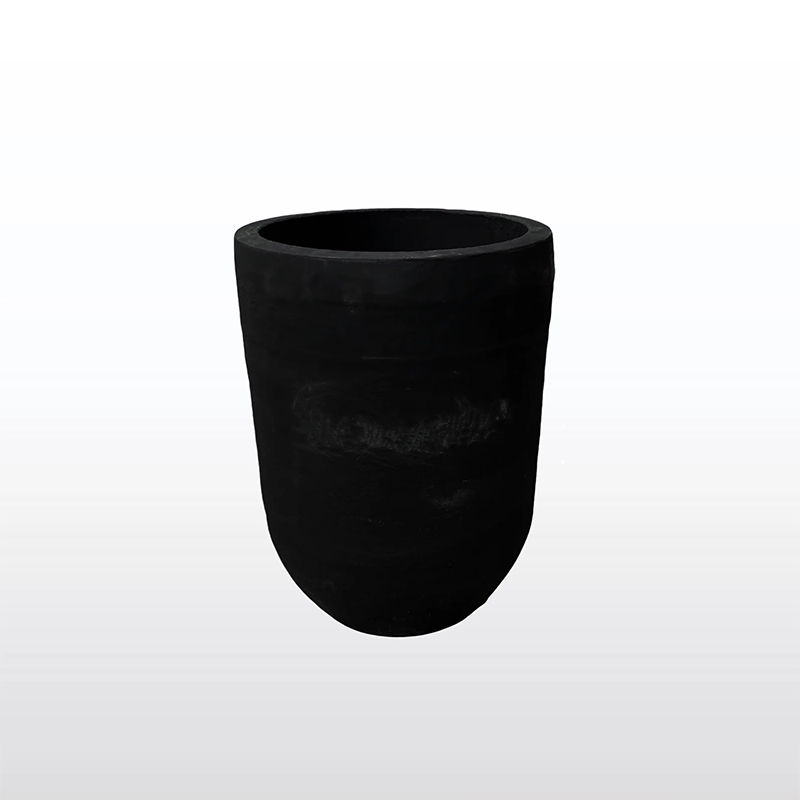
Shape and dimensions are not afterthoughts. Sic crucibles come in a range of profiles bilge-shaped, cylindrical, and tapered each suited to different furnace designs and pouring techniques. A bilge shape holds more metal in the belly while keeping the opening manageable, which helps retain heat. Straight-walled cylindrical Sic crucibles often work better in tilting furnaces where the pot stays stationary during the pour.
Capacity ratings are typically given in kilograms of copper, so if you are melting aluminum, the same crucible holds far less mass. Check the manufacturer’s specification sheet rather than guessing. Overfilling stresses the upper wall during pouring, and underfilling wastes energy by heating empty space.
Pay attention to the lip and pouring spout design. A well-formed spout on a Sic crucible directs the metal stream cleanly, reducing splash and making the pour more controlled. This matters especially when casting small molds where overshoot risks burning the mold or the operator.
Day-to-Day Handling That Extends Crucible Life
Even the best Sic crucibles need sensible care: A few habits separate a crucible that lasts months from one that fails in weeks:
Preheat as part of the routine: Bring the crucible up to temperature with the furnace rather than shocking it with a direct flame. The thermal shock resistance of Sic crucibles is excellent, but good practice still extends the usable lifespan.
Keep the interior clean: Slag and dross buildup insulates the melt from the crucible wall, forcing you to run the furnace hotter to compensate. Scrape gently with a proper tool while the residue is still warm.
Store bone-dry: Silicon carbide can absorb moisture if left in a damp environment. Even a small amount of trapped water expands violently when heated and can spall the crucible surface.
Use lifting tongs that fit the crucible profile. Pinching a Sic crucible at the wrong point concentrates stress exactly where you don’t want it during a pour.
When Sic Crucibles Are Not the Answer
Being clear about limitations builds trust. Sic crucibles perform brilliantly with most non-ferrous metals, but they are not ideal for everything. Molten iron and some aggressive ferroalloys can attack silicon carbide over time. If your process involves melting steel or high-chromium alloys, you will likely need a different refractory solution altogether. Similarly, in strongly oxidizing atmospheres above certain temperature thresholds, silicon carbide does eventually oxidize so understanding your furnace atmosphere matters before committing to a purchase.
Comparing Sic Crucibles to Graphite and Ceramic Options
No single material wins every category. Graphite crucible pots cost less and work well for occasional melting of precious metals. Ceramic crucibles suit laboratory precision where small volumes and chemical purity dominate the decision. Sic crucibles occupy the middle ground between heavy industrial use and lab-scale work they handle volume, speed, and repeated thermal cycling without the fragility of pure ceramic or the oxidation wear that limits graphite in certain furnace types.
For someone deciding between options, the questions worth asking are: How many heats per day? What atmosphere inside the furnace? How critical is melt purity? What is the cost of downtime if a crucible fails mid-shift? The answers tend to push high-duty operations toward Sic crucibles.
Recognizing When It Is Time to Replace
Every crucible eventually retires. Sic crucibles show wear signals that you learn to read over time. Visible cracks that propagate across the body mean the next pour could split the vessel. Heavy oxidation that roughens the surface and pits the wall thickness reduces thermal efficiency and compromises strength. If you notice a change in how the crucible rings when tapped lightly from a clear tone to a dull thud the material may be breaking down internally. Replace before it fails in service; the cost of a new Sic crucible is always less than the cost of a cleanup after a rupture.
Why Buyers Keep Coming Back to Sic Crucibles
The practical appeal comes down to one thing: less downtime. A crucible that handles thermal cycling without cracking, heats metal faster, and lasts through more cycles before replacement makes a measurable difference in productivity. For businesses where the furnace runs daily, the economics tilt strongly toward Sic crucibles even if the unit price is higher than entry-level alternatives. The savings show up in reduced labor for crucible changes, fewer interrupted melts, and less fuel consumed per kilogram of output.
The search intent behind “Sic crucibles” is rarely academic people typing that phrase are typically solving a real problem in their workshop or foundry. They want something that survives their workflow and delivers consistent results without constant babysitting. A properly matched silicon carbide crucible answers that need directly, which is why the category continues to grow among serious metal casters and industrial users.
Post time: May-28-2026