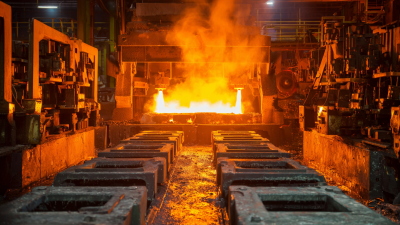
When you're into metal casting, it's pretty crucial to get a good grip on what a 'Crucible For Casting' actually does. Think of the crucible as your trusty container that can handle some serious heat—without it, casting just wouldn’t be possible. Over time, plenty of different kinds of crucibles have popped up, each one designed for specific materials and methods. As industries keep pushing forward and trying new things, picking the right crucible really becomes a game-changer—not just for making sure your finished piece looks good, but also to keep the whole process efficient and smooth.
In this rundown, we’re gonna explore the various types of crucibles out there and figure out which ones work best for different jobs. Knowing the ins and outs of each kind can really help both pros and hobbyists make smarter choices—stuff like how high the melting point needs to be, how tough it is, and how it performs during the casting. From classic clay-graphite models to modern silicon carbide options, the right pick can make a big difference in your results. By the time you finish reading, you’ll have a solid understanding of how to use a 'Crucible For Casting' effectively, so you can level up your craft and get better outcomes on your projects.

Types of Crucibles Used in Metal Casting
Crucibles are essential tools in the metal casting process, serving as containers to hold and melt metals before they are poured into molds. There are several types of crucibles, each designed for specific casting applications based on material compatibility, temperature resistance, and the properties of the metals being melted. A common variety is made from clay graphite, which offers excellent thermal conductivity and can withstand high temperatures, making it suitable for a wide range of metals, including ferrous and non-ferrous alloys.
Another popular choice is silicon carbide crucibles, known for their durability and ability to handle extreme temperatures without deforming. They are ideal for casting applications where intricate designs and high precision are crucial. On the other hand, metal crucibles, often made from steel or iron, are typically used for high-volume casting processes. While they may not reach the same melting points as ceramic options, they are robust and can be recycled for repeated use. Each type of crucible is tailored to meet specific needs in metal casting, ensuring optimal performance and successful casting outcomes.
Materials Used for Manufacturing Crucibles
Crucibles are essential tools in metallurgy and materials science, enabling the melting and casting of various substances. Understanding the materials used in manufacturing crucibles is crucial for selecting the right type for specific applications. Common materials include graphite, ceramic, and metal, each offering distinct advantages depending on the intended use. According to a report by ResearchAndMarkets, the global crucible market is expected to witness significant growth, driven by increasing demand in the casting and molding industry, projected to surpass $4 billion by 2025.
Graphite crucibles are favored for their excellent thermal conductivity and resistance to thermal shock, making them ideal for melting non-ferrous metals such as aluminum and copper. A study published in the Journal of Material Science highlighted that graphite crucibles can withstand temperatures exceeding 1600°C while maintaining structural integrity, contributing to their popularity in professional foundries. Ceramic crucibles, made from materials like alumina and zirconia, are known for their high-temperature resistance and chemical stability, making them suitable for specialized applications where contamination must be minimized.
Metal crucibles, typically made from stainless steel or other alloys, offer durability and are often used for applications requiring high strength and resistance to corrosion. A market analysis indicated that these metal types are increasingly preferred for their longevity and ability to withstand extreme environments. As the industry evolves, understanding the properties and applications of these materials will be critical for manufacturers aiming to optimize their processes and product quality.
Comparison of Crucible Types: Pros and Cons
When it comes to choosing a crucible for casting, understanding the various types and their respective pros and cons is crucial. Common types of crucibles include clay-graphite, silicon carbide, and metal crucibles, each offering unique benefits and limitations. Clay-graphite crucibles, known for their high thermal shock resistance, are ideal for melting metals like aluminum and brass. However, they may not withstand extremely high temperatures over long periods. On the other hand, silicon carbide crucibles excel in holding up under high temperatures, making them suitable for melting ferrous and non-ferrous metals alike, although they can be more brittle and prone to cracking.
When selecting a crucible, consider the specific materials you plan to work with, as this can significantly influence the melting process. For example, metal crucibles, often made from steel or iron, provide strength and durability but may not offer the same level of heat retention as graphite options. Additionally, it's important to think about your casting frequency and the volume of material you plan to melt, as this will impact your choice in size and heat resistance.
Tips: Always preheat your crucible to minimize thermal shock, regardless of the type you use. Regularly inspect your crucibles for wear and damage, as using a compromised vessel can lead to casting failures. Finally, ensure proper handling and storage to extend the lifespan of your crucibles, as well-maintained tools will enhance your casting experience and outcomes.
Understanding Crucible For Casting Types and Their Best Uses - Comparison of Crucible Types: Pros and Cons
| Crucible Type |
Material |
Max Temperature (°C) |
Pros |
Cons |
| Silicon Carbide |
Silicon Carbide |
1600 |
High thermal conductivity, Excellent for aluminum |
Brittle, Higher cost |
| Clay Graphite |
Clay and Graphite |
1700 |
Good for non-ferrous metals, Reusable |
Can contaminate molten metal |
| Porcelain |
Ceramic |
1250 |
Low cost, Good for low-temperature melts |
Fragile, Limited temperature range |
| Steel |
Steel Alloy |
1300 |
Durable, Good for ferrous metals |
Rust prone, Heavier |
| Molybdenum |
Molybdenum |
3000 |
High melting point, Best for high-temperature applications |
Expensive, Limited availability |
Factors Influencing Crucible Selection for Casting
When selecting a crucible for casting, several factors play a crucial role in ensuring optimal results. First and foremost, the material composition of the crucible is paramount. Common materials include ceramic, graphite, and metal, each serving specific temperature ranges and types of metals being cast. For instance, graphite crucibles are favored for their excellent thermal conductivity and resistance to thermal shock, making them ideal for high-temperature applications. In contrast, ceramic crucibles offer better chemical resistance but may not withstand extremely high temperatures as well as graphite.
Another significant factor is the size and shape of the crucible. The size should correlate with the volume of metal to be melted, while the shape can impact the efficiency of heat distribution during the melting process. Additionally, the type of casting method being employed can influence the choice of crucible. For instance, slack casting requires crucibles that can withstand prolonged exposure to heat, while processes like die casting may necessitate crucibles that facilitate easy pouring.
Finally, the intended application of the cast product also plays a role in crucible selection. If the final product demands high purity and mechanical integrity, a crucible that minimizes contamination during melting is essential. By carefully considering these factors, foundries and metalworkers can choose the most suitable crucible for their specific casting needs, ultimately leading to better quality outputs and increased efficiency in their operations.
Best Applications for Different Types of Crucibles
Crucibles are essential tools in metalworking and casting, and choosing the right type can significantly impact the overall success of your project. Each type of crucible is designed for specific uses, depending on the material to be melted and the casting techniques employed. For instance, clay-graphite crucibles are ideal for high-temperature applications, such as the melting of aluminum and copper, owing to their thermal conductivity and resistance to thermal shock. Conversely, silica crucibles are preferred for lower-temperature metals, making them a suitable option for casting projects involving gold and silver.
When selecting a crucible, consider the type of metal you will be working with and the temperature required for melting. Tips for best practices include always preheating your crucible, especially when using ceramic types, to prevent catastrophic cracking due to rapid temperature changes. Additionally, ensure that your work area is clean and free of contaminants, as foreign materials can introduce impurities that affect the quality of your cast.
Moreover, it is advisable to assess the amount of material you need to melt in relation to the crucible's capacity. Overloading a crucible can lead to uneven melting or spillage, both of which can compromise your project. Always maintain a safe distance and use proper tools when handling molten materials to ensure your safety throughout the casting process.
Maintenance Tips for Longevity of Crucibles
When it comes to ensuring the longevity of crucibles, proper maintenance is essential. Crucibles, typically made from materials like ceramic or graphite, can suffer from wear and tear if not handled carefully. One of the primary tips for maintaining your crucibles is to clean them thoroughly after each use. Residue from melting can lead to degradation over time, so using appropriate cleaning tools that won’t scratch the interior is vital. Avoid using water on hot crucibles as the sudden temperature change can cause cracking.
Another critical element in crucible maintenance relates to their storage. When storing crucibles, ensure they are kept in a dry, cool environment to prevent moisture absorption. Additionally, stacking crucibles can lead to chipping; therefore, it’s best to place them in a manner that minimizes contact with one another. Employing protective covers or cushioning can further safeguard your crucibles from dust and physical damage.
Finally, check regularly for signs of wear, such as cracks or chips, and replace any compromised crucibles promptly to avoid any impact on your casting quality.
Safety Considerations When Using Crucibles in Casting
Safety is paramount when using crucibles in casting processes. These tools, designed to withstand high temperatures, can be hazardous if not handled correctly. It's essential to wear appropriate personal protective equipment (PPE), including heat-resistant gloves, goggles, and a face shield to protect against potential splashes and heat exposure. Additionally, ensure that the workspace is well-ventilated to avoid inhaling any harmful fumes that could be generated during melting.
When working with crucibles, it's also important to understand the materials being used. Different metals and alloys have varying melting points and chemical properties. Always refer to safety data sheets for these materials and make sure to use crucibles that are compatible with the specific substance being melted. Improper material use can lead to reactions that could damage the crucible or pose safety risks.
Tips for safe crucible use include always preheating the crucible gradually to avoid thermal shock, which can lead to cracking. Make sure to keep a fire extinguisher nearby, just in case of emergencies, and never leave the melting process unattended. Regularly inspect crucibles for signs of wear and damage, replacing them as necessary to ensure safe operations throughout your casting projects.
Best Crucible for Copper Casting: Analyzing Industry Data and Lifespan Expectations for Optimal Performance
When it comes to copper casting, selecting the right crucible is crucial for achieving optimal performance and longevity in high-temperature applications. Industry reports emphasize that crucibles made from high-quality materials demonstrate notable advantages, including improved thermal conductivity and enhanced resistance to thermal shock. A recent study indicates that crucibles designed specifically for copper melting can withstand temperatures exceeding 1,200 degrees Celsius without significant degradation, allowing metalworkers to perform efficiently and safely.
In analyzing the lifespan expectations of different crucibles, research shows that those constructed from advanced ceramics and high-grade graphite provide superior performance and durability. For instance, crucibles with a ceramic composition have been found to exhibit a lifespan increase of up to 30% compared to traditional metal options when used for repetitive copper melting processes. Additionally, their resistance to oxidation and corrosion is paramount, particularly in environments where molten metal is prone to contamination.
For professionals in the metalworking and foundry sectors, investing in a high-quality crucible tailored for copper can lead to better casting results and reduced operational downtime. Establishing a deeper understanding of materials and their specific properties can enhance production efficiency and product quality, ultimately elevating metalworking processes to new heights.
FAQS
: The main types of crucibles include clay graphite, silicon carbide, and metal crucibles. Each type is designed for specific casting applications based on temperature resistance and material compatibility.
Crucibles are typically made from graphite, ceramic (such as alumina and zirconia), and metal (like stainless steel or other alloys), each offering unique advantages depending on the intended application.
Graphite crucibles are known for their excellent thermal conductivity and resistance to thermal shock, making them suitable for melting non-ferrous metals like aluminum and copper at high temperatures.
Ceramic crucibles are ideal for specialized applications that require high-temperature resistance and chemical stability, especially in scenarios where contamination must be minimized.
Consider the type of metal to be melted, the melting temperature, and the crucible's capacity. It's important to preheat ceramic crucibles and maintain a clean work area to avoid contamination.
Yes, metal crucibles, typically made from stainless steel or other alloys, are durable and can be recycled for repeated use, making them a cost-effective option for high-volume casting processes.
It is advisable to preheat the crucible, especially ceramic types, to prevent cracking due to rapid temperature changes and ensure successful melting of materials.
Always maintain a safe distance, use proper tools, and ensure your work area is free of contaminants to avoid impurities and ensure safety throughout the casting process.
The crucible's size should be assessed in relation to the amount of material being melted, as overloading can lead to uneven melting or spillage, compromising the casting project.
The global crucible market is expected to grow significantly due to increasing demand in the casting and molding industry, projected to surpass $4 billion by 2025.
Conclusion
The article "Understanding Crucible For Casting Types and Their Best Uses" provides a comprehensive overview of various crucibles utilized in metal casting. It explores different types of crucibles and the materials from which they are made, highlighting the advantages and disadvantages of each type. Factors influencing crucible selection are discussed, along with their best applications, ensuring readers can make informed choices based on their specific casting needs.
Additionally, the article emphasizes the importance of maintaining crucibles for casting to extend their lifespan, offering practical maintenance tips. Safety considerations are also addressed to promote safe practices while using crucibles in casting. Overall, the article serves as a valuable resource for anyone looking to deepen their understanding of crucibles and optimize their metal casting processes.