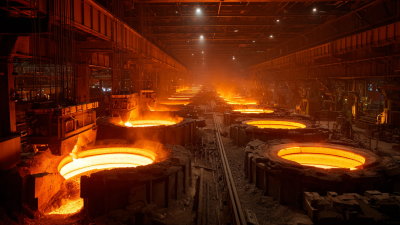
When you're into metal casting, picking the right crucible is a total game-changer. Honestly, having a good quality crucible can really boost both the quality of your cast and its durability. But surprisingly enough, a lot of folks kinda overlook this part—settling for whatever's cheap or available, which isn’t always the best move. That can lead to all sorts of problems, like poor results or ending up wasting a bunch of materials.
Different metals actually need different types of crucibles. Take aluminum, for instance—it’s not just any crucible that’ll do; it needs to handle its melting point without breaking a sweat. Not all crucibles are made equal either, some can even raise your contamination risks if you're not careful. So, before you pick one, think about what metals you’re working with and what their melting temps are.
Honestly, grabbing a high-quality crucible from a trusted supplier like A&B Industrial can really make a big difference over time. It’s kinda like an investment—you pay a bit more now, but it’ll save you headaches and money later on. Just make sure you’re making informed choices and aren’t cutting corners. Trust me, in metal casting, quality really does matter in every little step.

Choosing the Right Metal Casting Crucible: An Overview of Materials
When selecting the right metal casting crucible, material choice is crucial. Different materials offer various benefits. For example, clay-graphite crucibles are ideal for cast iron due to their ability to withstand high temperatures. They can endure up to 1650°C, making them suitable for intense heating. However, they are prone to cracking if not handled properly.
In contrast, silicon carbide crucibles excel when melting aluminum. Reports indicate these can reach temperatures around 2000°C without compromising structural integrity. Despite their robustness, they may not be the best choice for metals with lower melting points. A mismatch in material and metal can lead to costly mistakes. Therefore, manufacturers often conduct tests to find the optimal pairing.
Choosing the wrong crucible can result in contamination. This can affect the final metal's quality. Industry data shows that up to 15% of casting failures occur due to unsuitable crucibles. Thus, careful consideration of material properties is essential. Balancing strength, thermal resistance, and metal type often requires thoughtful engagement to avoid disappointing outcomes.
Factors Influencing Crucible Selection for Different Metals
Choosing the right crucible for metal casting involves careful consideration. Different metals require different materials and structures for effective melting. For example, steel has a high melting point. A robust crucible is essential to handle this temperature. Other metals, like aluminum, melt at lower temperatures. Here, lightweight crucibles may suffice.
Material composition plays a central role in selection. Graphite crucibles are great for non-ferrous metals. They conduct heat well and resist thermal shock. A ceramic crucible is another option, especially for higher melting point metals. However, they can crack if not handled carefully. The choice depends largely on the metal to be cast.
Melting capacity is another aspect to ponder. A crucible that is too small may lead to overflow. Conversely, a larger crucible can waste energy. Think about your specific project needs. Reflecting on past experiences could influence better choices. It’s important to assess both the immediate needs and long-term applications of the crucible. Balancing these factors is essential for successful metal casting.
Temperature Resistance: Understanding Crucible Melting Points
When selecting a metal casting crucible, understanding melting points is crucial. Different metals require various temperatures to melt. For example, aluminum melts at around 660°C, while copper needs about 1,085°C. The right crucible must withstand these high temperatures without cracking.
Consider the material of the crucible. Choices include clay graphite, silicon carbide, and cast iron. Each has unique properties and melting point capabilities. Clay graphite can endure significant heat and is popular for its durability. But, it might not be the best for everyone. Some find it prone to wear over time, necessitating careful consideration.
Here are a few tips for your search. Always check the maximum temperature rating of the crucible. Look for user reviews about their experiences with heat resistance. Beyond temperature, ensure the crucible fits your specific casting needs. It's essential to assess the compatibility of the crucible with the metal you plan to work with. Too often, people overlook these details, leading to potential disasters. Consider your options wisely.
Cost-Effectiveness: Balancing Quality and Price in Crucible Purchase
When purchasing a metal casting crucible, cost-effectiveness is a vital consideration. It's essential to balance quality and price. Industry data shows that around 30% of metal casters prioritize cost over quality, often leading to poor outcomes. Cheaper crucibles may not withstand high temperatures. They can result in metal contamination, which is costly in the long run.
Tip: Assess your budget. Determine how much you're willing to spend without compromising quality. Investing in a reliable crucible can optimize your casting process. The right crucible can increase efficiency and improve final product quality, saving money over time.
Another aspect to consider is the lifespan of the crucible. A more expensive crucible may offer better durability. Reports indicate that investing in quality materials can enhance performance by 40%. A lower price may seem appealing, but it can lead to rapid breakage or degradation.
Tip: Research different materials used in crucibles. Ceramic and graphite options provide various price points and performance levels. Selecting the right type is essential for long-term success. Not all cost-effective options deliver the required performance. Understanding your needs can prevent costly mistakes.
Safety Considerations: Handling and Using Metal Casting Crucibles
When handling metal casting crucibles, safety is paramount. Always wear appropriate
protective gear. This includes gloves, goggles,
and fire-resistant clothing. The temperatures involved can be extremely high, and any oversight in protection could
lead to severe burns or injuries. It's essential to check your gear for damage. A small hole in gloves can be dangerous.
Before you begin, ensure your workspace is clear and well-ventilated. Fumes may be released during melting. If you
notice strange smells or irritation, stop what you’re doing. Adjust your setup if necessary. Never work alone
during your casting sessions. Having someone nearby can help in emergencies.
It's important to understand the risks involved with different metals. Some materials can be more hazardous than
others. Take time to research their specific properties. Always have a fire extinguisher
nearby. It may seem excessive, but it’s better to be safe than sorry. Each step in the process deserves careful attention.
Improvisation might be tempting, but it can lead to mistakes that put your health at risk.
Maintenance Tips for Prolonging the Life of Your Crucibles
Maintaining your metal casting crucibles is crucial for ensuring their longevity and performance. Studies show that improper maintenance can reduce crucible life by up to 50%. Regular inspections should be a priority. Look for signs of wear, damage, or contamination. A small crack can lead to larger issues. If the crucible is not cleaned properly after each use, residue can solidify. This residue can affect future castings.
Temperature management is another key factor. Crucibles designed for high temperatures can distort if overheated. Ensure you are following the manufacturer's guidelines closely. What may seem like a minor deviation could result in catastrophic failure. Cooling down the crucible gradually is essential. Sudden temperature changes can cause thermal shock.
Remember, even the best crucibles are not infallible. They require proper handling and care. Be mindful of the material you are working with; some are more corrosive than others. Data from industry reports suggest that nearly 30% of casting defects stem from crucible failure. You may think you're saving time by skipping inspections, but it often costs more in the long run. Prioritize the maintenance of your crucibles, and consider this a foundational practice in metal casting.
Conclusion
Choosing the right Metal Casting Crucible is crucial for achieving optimal results in metal casting. This article outlines several key factors that should be considered when selecting a crucible, including the materials used, which can impact the performance and compatibility with different metals. Temperature resistance is another critical aspect, as understanding the melting points of various crucibles helps ensure safe and effective casting processes.
Durability and lifespan also play significant roles, as higher-quality crucibles tend to withstand repeated use and extreme conditions better. Cost-effectiveness should be evaluated to balance quality with price, while safety considerations emphasize the importance of proper handling and usage techniques. Finally, maintenance tips provided can help prolong the life of your Metal Casting Crucibles, ensuring they remain a reliable tool in your casting endeavors.